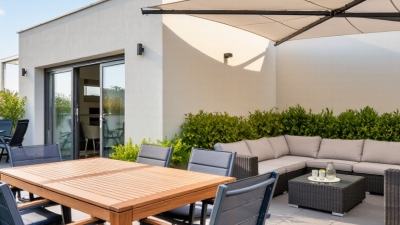

China Top Outdoor Patio Set Manufacturers for Global Buyers

Choosing an outdoor patio set for international markets involves more than comparing styles and prices. Buyers must assess frame strength, fabric performance, finish consistency, and the supplier’s ability to deliver repeat orders. A showroom sample can look convincing. The real test comes after months of sun, rain, handling, and daily use.

Design offers a useful reminder. Charles Eames said, “The details are not the details. They make the design.” For patio furniture, those details include smooth welds, secure joints, even powder coating, and cushions that retain their shape. They also include less visible matters, such as clear product specifications and dependable quality checks. These points help buyers compare China’s outdoor patio set manufacturers on evidence, not polished photographs alone.

This guide examines manufacturers through practical questions: What materials do they use? Can they customize dimensions, colors, and packaging? How do they manage samples and production consistency? Buyers should also confirm shipment terms and request documentation relevant to their own market. No single factory suits every project. A resort, retailer, and contract buyer may need different designs, order quantities, and service levels. Even a careful comparison has limits; a sample cannot reveal every issue in a full production run. The aim here is to help global buyers ask better questions, spot trade-offs early, and choose a supplier with fewer surprises.
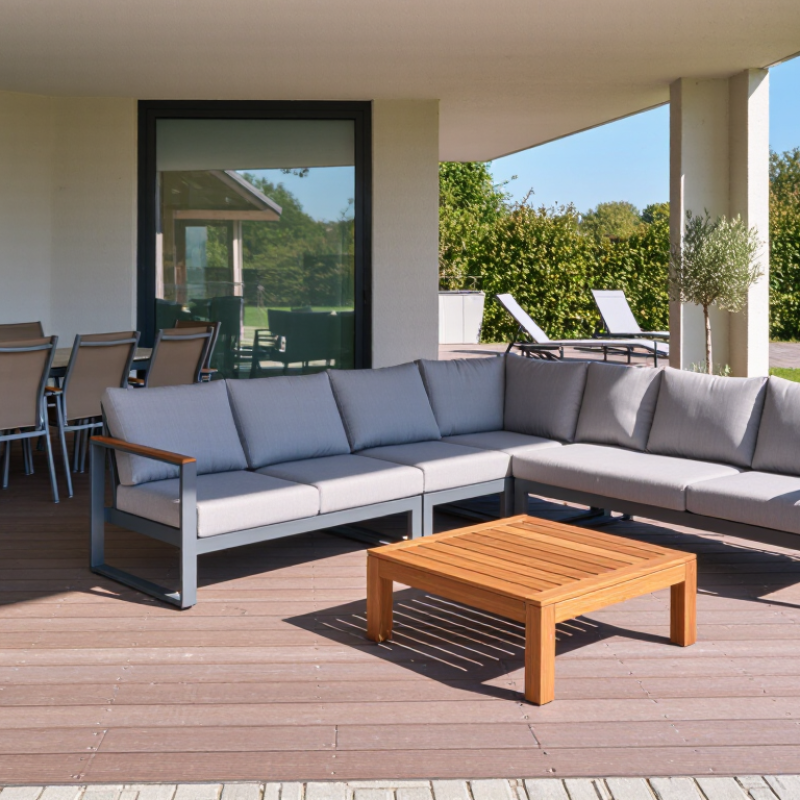
China Top Outdoor Patio Set Manufacturers for Global Buyers

Global Outdoor Furniture Market: 2023 Value and Growth Outlook

China Top Outdoor Patio Set Manufacturers for Global Buyers

Global Outdoor Furniture Market: 2023 Value and Growth Outlook

In 2023, the global outdoor furniture market was valued in the tens of billions of dollars, though published estimates differ. Some reports include umbrellas and accessories; others focus on furniture alone. That gap matters when comparing growth forecasts. Demand is supported by home renovations, hospitality projects, and interest in usable balcony and garden spaces. Growth is steady, not automatic.

For buyers, market expansion does not guarantee every product will sell. Regional weather, available storage, shipping costs, and local tastes shape demand. A compact folding set may suit a city balcony, while a heavier dining set fits a resort terrace. Materials also affect upkeep: powder-coated metal can resist corrosion, but scratches may expose the surface. Check construction details and care requirements, not just product photos.

Tips: Compare market reports using the same product scope and year. Ask suppliers for test methods, material specifications, and packaging dimensions. Confirm how finishes perform after exposure to sun and moisture. Small details matter. Forecasts can shift, and buyers should treat them as planning tools, not promises.

China’s Patio Set Manufacturing Base: Materials, Production, and Export Strengths

China’s Patio Set Manufacturing Base: Materials, Production, and Export Strengths

China’s patio set manufacturing base draws on a wide range of materials. Aluminum frames are valued for their low weight and resistance to rust, while steel can provide a sturdier feel at a lower cost. Synthetic wicker and outdoor fabrics offer buyers more choices in texture and color. Material names alone tell little, though. Buyers should check frame thickness, weld quality, fabric specifications, and finish consistency on actual samples.

Production often combines metal cutting, welding, surface treatment, weaving, and assembly. These steps may happen in different workshops, so clear quality checks matter. Ask how dimensions, color, and hardware are inspected before packing. A chair that looks solid in a showroom can still wobble after repeated use. Small details count.

Export experience supports practical work with packaging, shipping schedules, and product documentation. Flat-packed designs can reduce shipping volume, but they may require more assembly at the destination. Carton strength and moisture protection deserve attention, especially for long sea journeys. No production system is flawless; even a well-managed order can reveal issues only after use. A careful sourcing process leaves room for testing, feedback, and realistic timelines.

Outdoor Furniture Standards: How EN 581 Assesses Safety and Durability

Outdoor Furniture Standards: How EN 581 Assesses Safety and Durability

For global buyers comparing outdoor patio sets, EN 581 offers a useful framework for evaluating seating and tables. The standard addresses safety, strength, and durability for outdoor furniture intended for public or domestic use. Depending on the product type, tests examine stability, load resistance, and how components perform under repeated use.

A chair should remain steady on a hard floor, not tip when someone shifts their weight. Connections and joints also matter. Small weaknesses can become obvious after repeated loading.

EN 581 does not mean every product is tested in exactly the same way. Requirements vary by furniture category and intended use, so buyers should check which parts of the standard apply. Ask suppliers for test reports that identify the product model, test method, and results.

Inspect finishes, welds, fasteners, and moving parts as well. A passing test is useful evidence, but it cannot guarantee years of performance in every climate. Rain, salt air, and careless storage still take a toll. Standards have limits.

Tips: Request reports for the exact set, not a similar model. Confirm the tested configuration matches the chairs and table being purchased. Then check care instructions and replacement-part availability. I would also review the report date; older paperwork may not reflect a revised design.

Comparing Chinese Patio Set Manufacturers by Quality, Capacity, and Compliance

For global buyers, comparing Chinese patio set manufacturers requires more than a polished catalog. Quality begins with material control: corrosion-resistant aluminum, outdoor-rated powder coating, tight welds, and UV-stable fabric. Ask for alloy grades, coating thickness, foam density, and replacement-part policies. A useful factory review includes sample inspection, weld checks, surface testing, and a real assembly trial. Small details matter. A chair that wobbles on a showroom floor may fail after months of rain and daily use.

Capacity should be measured through evidence, not impressive monthly numbers. Review production lines, seasonal staffing, equipment maintenance, and the factory’s ability to repeat one finish across large orders. Request recent lead-time records, carton dimensions, loading photos, and an agreed inspection plan. Records matter. A supplier may produce 50,000 sets annually, yet struggle with a 5,000-set peak order. The sample can deceive.

Compliance must cover materials, labeling, packaging, and destination-market requirements. Reliable manufacturers can provide traceable material documents, test reports from competent laboratories, factory audit records, and corrective-action evidence. Buyers should confirm whether reports match the exact model, not a similar frame. I would also check fastener corrosion, edge safety, carton drop performance, and recycled-content claims where relevant. No supplier is flawless. Some documents may be incomplete or outdated. That is not an automatic rejection, but it requires a written correction deadline and follow-up inspection.

Global Sourcing Essentials: Pricing, Lead Times, Shipping, and Supplier Verification

For global buyers, patio set pricing starts with the specification, not the catalog photo. Material grade, tube thickness, cushion density, finish, packaging, and order quantity can change the quotation sharply. Request a cost breakdown for frames, weaving, cushions, cartons, tooling, and export handling. UNCTAD’s Review of Maritime Transport 2023 highlights continuing volatility in shipping capacity and freight markets, so a low factory price may not mean a low landed cost.

Lead times should be divided into sampling, production, inspection, and vessel booking. Typical outdoor furniture production may require 30–60 days, but custom colors or seasonal demand can extend schedules. Build a written tolerance for delays. Keep some buffer. Experienced buyers also confirm carton dimensions before payment, because cubic volume often controls freight more than product weight. The World Bank Logistics Performance Index 2023 shows major differences in customs efficiency and shipment reliability across markets, making route planning essential.

Supplier verification needs evidence, not attractive showroom images. Check the business license, factory address, export history, production capacity, material test reports, and recent inspection records. Match the beneficiary account with the contracted legal entity. Ask for a live video walkthrough, but do not treat it as proof. A polished presentation can still conceal subcontracting. Independent pre-shipment inspection is usually cheaper than correcting hundreds of damaged sets. Some quotes will remain imperfect because exchange rates, port congestion, and packaging revisions change quickly. That uncertainty should be documented, not ignored.

Go to Top