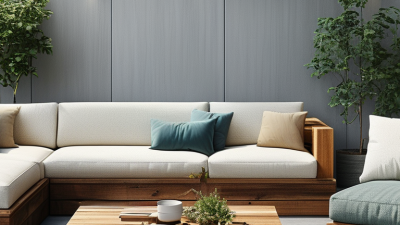

How to Choose the Best Patio Furniture for Any Space?

Choosing patio furniture is not simply a matter of matching colors with your home. A beautiful chair can become uncomfortable after one sunny afternoon. A large dining set may leave barely enough room to walk. The right choice begins with honest measurements, daily habits, and local weather conditions. Before shopping, measure the patio’s length, width, door clearance, and walking areas. Leave enough space to pull out chairs without blocking entrances. A narrow balcony may need foldable bistro chairs, while a wide terrace can support a sectional, dining table, or shaded lounge area. Think about real use. Will children eat there? Will guests stay late? Will cushions remain outdoors during sudden rain?

Material knowledge also matters. Powder-coated aluminum is lightweight and resists rust, while teak offers natural durability but needs regular care. Woven resin can suit humid climates, though cheaper versions may crack under strong sunlight. Check frame joints, cushion zippers, drainage, and warranty details before trusting a product’s appearance. I have found that comfort is often overlooked; a chair may look refined yet feel stiff after twenty minutes. Sit in it when possible. Test the table height with your preferred chairs. Small errors become annoying every day. This guide explains how to compare patio furniture for compact balconies, family patios, and spacious outdoor entertaining areas. It also considers maintenance, comfort, weather exposure, and budget, helping you choose confidently while accepting that no material performs perfectly everywhere.
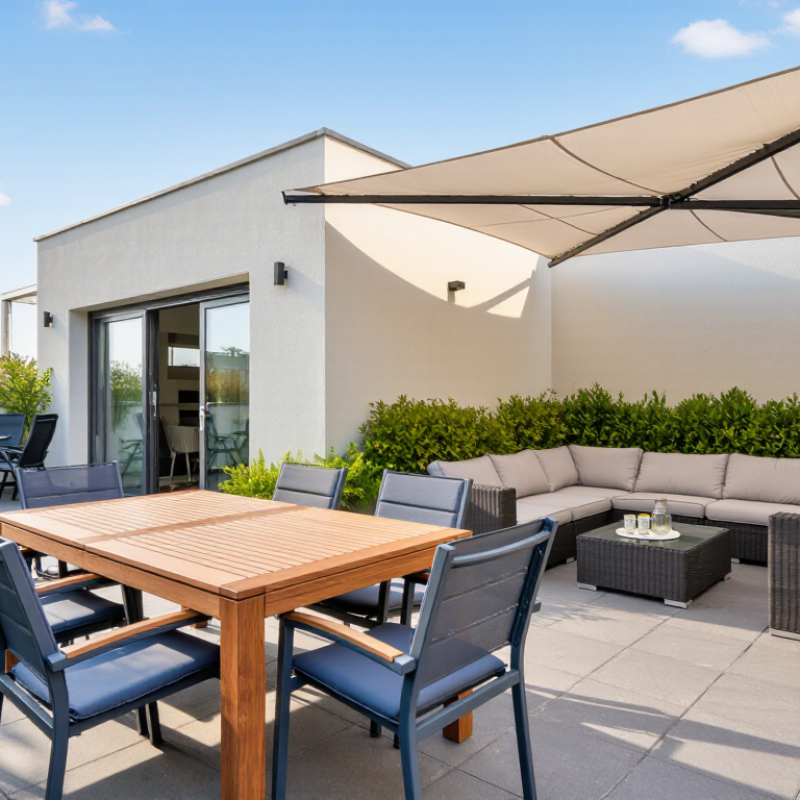
How to Choose the Best Patio Furniture for Any Space?

Assess Your Space, Climate, and Outdoor Living Needs

Choosing patio furniture starts with the space, not the showroom. Measure the usable area, door swings, walking routes, and overhead clearance. A 60-inch dining table can quickly consume a small balcony. My first mistake was trusting a product’s listed dimensions without allowing room to pull out chairs. Leave at least 36 inches for comfortable movement.

Climate changes the decision. NOAA’s 1991–2020 Climate Normals show why local temperature, rainfall, and wind patterns matter more than national averages. In hot urban areas, the U.S. Environmental Protection Agency reports daytime surfaces can be 1–7°F warmer than nearby rural areas. Choose breathable fabrics for intense heat, fast-drying cushions for humid regions, and corrosion-resistant frames near salt air. No material is maintenance-free. I still underestimate dust and pollen some seasons.

Tips: Match furniture to your actual habits. The National Association of Home Builders’ 2024 survey found patios were desirable to 86% of home buyers, but usefulness depends on daily routines. Select compact chairs for morning coffee, deeper seating for long evenings, and a stable table for windy conditions. Check cushion storage, cleaning instructions, and weight before buying. A shade umbrella may need a weighted base, while exposed balconies may require lighter, stackable pieces. Measure twice. Regret costs more.

Choose Furniture Materials for Durability and Easy Maintenance

Choosing patio furniture starts with the climate, not the color. According to Grand View Research, the global outdoor furniture market was valued at roughly USD 19 billion in 2023. Its projected growth reflects rising demand for durable, low-maintenance products. That demand makes material selection important.

Aluminum resists rust and feels relatively light during seasonal rearranging. Powder-coated finishes can improve surface protection, but scratches still need prompt repair. Stainless steel offers strength, though coastal air may cause staining without regular cleaning. Teak contains natural oils and handles outdoor moisture well. However, it gradually turns silver-gray unless treated, which some homeowners dislike.

Synthetic resin and high-density polyethylene are practical for wet patios. They do not absorb water like untreated wood, and a mild soap solution usually removes dust. Check UV resistance carefully. Weak plastics can fade or become brittle after repeated sun exposure. The U.S. Environmental Protection Agency promotes longer product life as part of waste reduction, so repairable frames and replaceable hardware deserve attention.

Fabric needs equal scrutiny. The American Society for Testing and Materials provides performance standards for outdoor textiles, including colorfastness and strength testing. Still, laboratory results are not a perfect promise. My own practical rule is simple: inspect seams, drainage, fasteners, and finish quality before judging appearance. A beautiful chair that stays wet after rain is not an easy-care chair. Something is easy to maintain only when its cleaning routine matches your actual habits.

Match Furniture Size, Layout, and Traffic Flow to Your Patio

Choosing patio furniture starts with measurements, not appearance.

Measure the usable floor area, doorways, and nearby walls. Leave at least 30 inches for comfortable walking paths. Wider routes work better near sliding doors and cooking areas. A compact bistro set suits a narrow balcony, while a deep sectional needs more breathing room.

Traffic flow matters every day. Place seating away from the main entrance, so people do not squeeze behind chairs. Keep table corners clear of steps and railings. For dining, allow enough space to pull out each chair. I usually mark furniture footprints with cardboard before buying. It reveals awkward gaps. Sometimes the layout still feels wrong.

Tips:

Sketch the patio first. Mark doors and steps. Test chair movement with real walking paths.

Choose lighter pieces when you rearrange often. Check seat depth before ordering.

Deep cushions may look inviting, but they can block a narrow walkway.

Leave room for umbrellas, planters, or storage without creating obstacles.

A practical arrangement should feel easy when carrying plates, watering plants, or welcoming several guests.

Measure twice. Reconsider the obvious layout.

Select Comfortable Styles, Colors, and Functional Features

Choosing patio furniture starts with comfort, not appearance. Sit for several minutes before buying. Check whether the seat supports your lower back and whether the table leaves enough legroom. Deep cushions feel luxurious, but they may overwhelm a narrow balcony. The 2024 Outdoor Living Report from the International Casual Furnishings Association identifies comfort as a leading priority for outdoor purchases. That matches practical experience: attractive chairs are rarely useful when people avoid sitting in them.

Color should respond to the space’s light, walls, and surrounding plants. Pale sand, soft gray, and muted green can make compact areas feel calmer. Darker shades create contrast but may become hot under direct sunlight. The U.S. Department of Energy notes that darker surfaces absorb more solar radiation, so material and cushion color deserve attention. I once selected dark seating for a sunny terrace. It looked refined, but became uncomfortable by midday.

Function matters every day. Choose stackable chairs for small spaces, washable covers for frequent meals, and tables with rounded edges near walking paths. The Freedonia Group’s outdoor furniture industry analysis reports continued demand for durable, weather-resistant products. Still, “weather-resistant” does not mean maintenance-free. Test storage space, drainage, and hardware quality before purchase. A beautiful set can fail when cushions stay damp after one storm. Measurements help, but real movement matters more. Leave clear walking space, even if that means buying fewer pieces.

How to Choose the Best Patio Furniture for Any Space? - Select Comfortable Styles, Colors, and Functional Features

Furniture Style Recommended Space Typical Seating Capacity Comfort Features Suitable Materials Color and Design Guidance Functional Features Maintenance Level
Bistro Set Balconies, small patios, and entry areas 2 people Choose chairs with contoured backs and cushions at least 2 inches thick. Powder-coated aluminum, steel, treated wood, or weather-resistant resin. Light neutrals can make a compact area feel more open; muted green and blue add visual interest. Folding chairs and a compact round or square table improve storage and circulation. Low to moderate
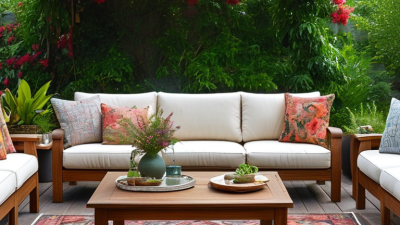
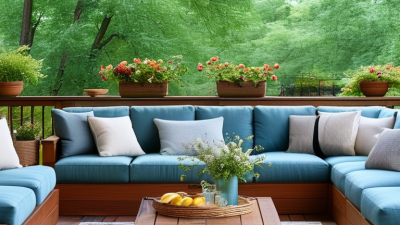
Conversation Seating Set Medium patios and covered outdoor rooms 4 to 6 people Deep seats, angled backrests, armrests, and removable cushions support longer conversations. Aluminum frames, synthetic wicker, teak, or outdoor-grade steel. Coordinate cushions with the surrounding architecture; earth tones create a relaxed setting. Modular pieces can be rearranged to fit guests, pathways, or changing layouts. Moderate
Dining Table and Chairs Large patios, decks, and outdoor dining zones 4 to 8 people Allow approximately 24 inches of table edge per guest and select chairs with supportive backs. Powder-coated metal, solid hardwood, high-density polyethylene, or durable composite materials. Use darker frames to define the dining area; lighter tabletops can reduce the visual weight of large furniture. Consider an extension table, stackable chairs, an umbrella opening, and level-adjustable feet. Moderate
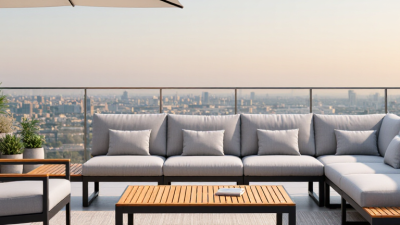
Outdoor Sectional Spacious patios and entertainment areas 5 to 8 people Look for seat depths of about 20 to 24 inches, firm support, and quick-drying cushions. Aluminum, resin wicker, treated wood, and outdoor-rated steel. Neutral upholstery provides flexibility; accent pillows can introduce brighter seasonal colors. Reconfigurable modules, hidden storage, clip connectors, and removable cushion covers add practicality. Moderate to high
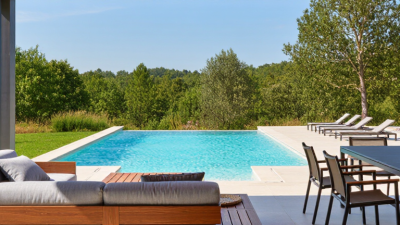
Chaise Lounge Pool decks, sunrooms, and relaxation areas 1 person Prioritize an adjustable backrest, a supportive seat, and a breathable or quick-drying cushion. Aluminum, resin, teak, and weather-resistant synthetic mesh. White, sand, and pale gray reflect a bright poolside style; darker colors may retain more heat in direct sun. Wheels, foldable frames, and multiple backrest positions make repositioning easier. Low to moderate
Adirondack-Style Chair Gardens, fire-pit areas, and casual seating zones 1 person A wide arm design and reclined back provide relaxed support; add a seat cushion for extended use. Recycled plastic lumber, treated wood, or weather-resistant composite materials. Classic white suits coastal settings, while charcoal, sage, and navy complement modern landscapes. Built-in cup holders, folding designs, and lightweight construction improve everyday use. Low
Outdoor Bench Narrow patios, walkways, gardens, and dining areas 2 to 3 people A backrest and a cushion improve comfort; allow roughly 20 to 24 inches of width per person. Powder-coated metal, teak, treated hardwood, stone, or composite materials. Choose a finish that repeats a nearby architectural or landscape color for a coordinated appearance. Some models provide under-seat storage; backless benches can be placed against walls or under tables. Low to moderate
Folding Furniture Rental homes, compact balconies, and flexible entertaining areas 1 to 6 people Select stable frames, secure locking joints, and cushions that do not shift during use. Aluminum, treated wood, steel, and durable resin. Consistent colors across folding pieces prevent the space from looking temporary or mismatched. Easy to store, transport, and set up when additional seating is needed. Low
Outdoor Bar Set Covered patios, outdoor kitchens, and entertaining spaces 2 to 6 people Choose counter-height or bar-height seating with footrests and a stable, supportive back. Powder-coated aluminum, steel, teak, resin wicker, or weather-resistant composite. Black, natural wood, and warm gray finishes pair well with outdoor kitchens and stone surfaces. Look for shelves, bottle storage, adjustable feet, and surfaces that are easy to wipe clean. Moderate
Storage Ottoman Patios that need flexible seating and accessory storage 1 person or shared footrest A cushioned, stable top can serve as a footrest or occasional seat. Outdoor-rated resin wicker, aluminum, plastic, or treated wood. Match the upholstery to existing seating or use a contrasting accent color. Hidden storage can hold cushions, throws, or small outdoor accessories; use a ventilated interior when possible. Moderate

Planning note: Leave approximately 36 inches for comfortable walking paths around most patio furniture, and verify the product’s outdoor-use rating before placing it in uncovered areas.

Plan Your Budget, Care Routine, and Seasonal Storage Strategy

How to Choose the Best Patio Furniture for Any Space?

Start with a complete budget, not only the shelf price. Include cushions, covers, delivery, cleaning supplies, and replacement hardware. Grand View Research estimates that the global outdoor furniture market will continue growing through 2030, reflecting stronger demand for durable outdoor living spaces. That growth does not make every expensive set suitable. Measure the patio, note drainage points, and reserve 10–15% for unexpected costs. Leave room for reality.

Build a care routine around your local weather. Wipe frames monthly, remove leaves quickly, and dry cushions fully after rain. The American Cleaning Institute recommends following material-specific care instructions, because harsh cleaners can damage protective finishes. Wood may need periodic sealing, while powder-coated metal usually needs mild soap and water. I still underestimate how quickly pollen collects under cushions. That mistake is avoidable.

Plan storage before buying large pieces. The National Oceanic and Atmospheric Administration reports that weather patterns vary sharply by region, so a coastal balcony needs different protection from a dry inland patio. Choose stackable chairs, folding tables, or furniture with removable cushions. Store textiles in breathable containers, never damp plastic bags. A covered area helps, but it is not a complete solution during freezing temperatures, heavy rain, or high winds. Reconsider the layout each season.

Go to Top