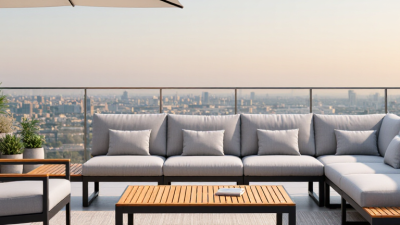
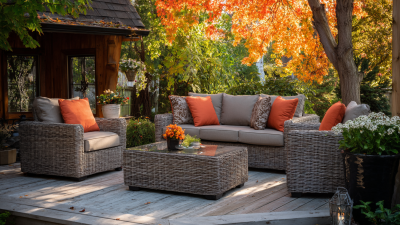
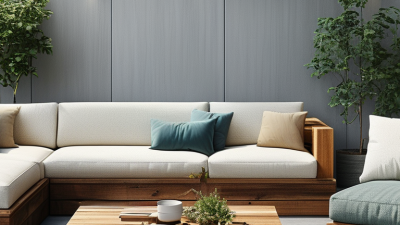
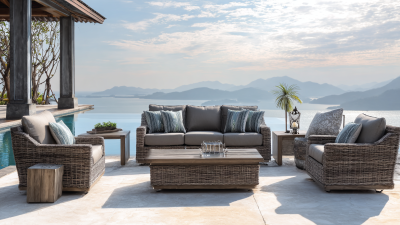
What Is High End Outdoor Furniture?
What Is High End Outdoor Furniture?
High end outdoor furniture is more than an expensive chair beside a swimming pool. It combines durable materials, refined design, skilled construction, and long-term comfort. Teak, powder-coated aluminum, marine-grade fabrics, and weather-resistant performance are common choices. Yet price alone proves very little.
Designer Richard Frinier, a respected name in the outdoor furniture industry, has said, “Outdoor living is a lifestyle.” That idea explains the category well. High end outdoor furniture turns terraces, gardens, and balconies into usable living spaces. A deep lounge sofa should support the body, not merely look impressive in photographs. A dining table should remain stable when wind, sunlight, and daily meals test its construction.
Details matter. Check the welds, hardware, cushion density, fabric ratings, and drainage design. Ask how finishes age in your climate. Salt air can damage unsuitable metals. Strong sunlight can expose weak textiles quickly. Good furniture accepts these realities.
Still, premium design is not automatically perfect. Some luxurious pieces need seasonal covers, careful cleaning, or professional storage. That part is often overlooked. The most reliable choice balances beauty with maintenance, warranty support, and realistic use. In the following guide, we will examine what truly separates high end outdoor furniture from ordinary patio products. We will also question whether every premium feature deserves its cost. Sometimes, simpler construction performs better.
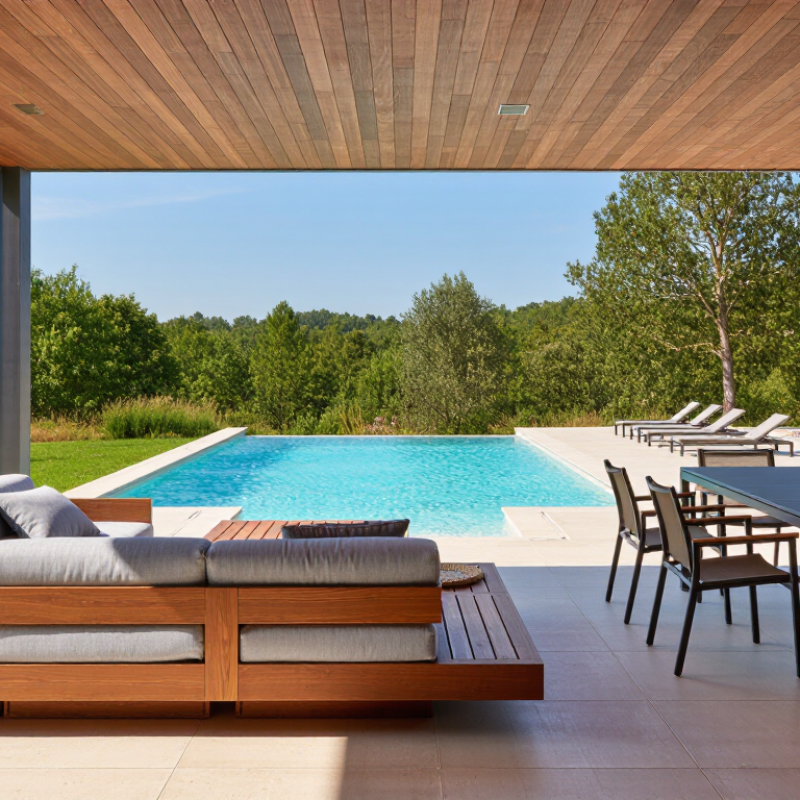
Definition and Core Characteristics of High-End Outdoor Furniture
High-end outdoor furniture is designed for lasting performance, refined comfort, and visual consistency in demanding outdoor spaces. It is more than expensive furniture. Its quality appears in the frame, joints, finishes, fabrics, and long-term usability.
Professional evaluation often begins with construction. Marine-grade metals, dense hardwoods, and weather-resistant composites can handle moisture, sunlight, and temperature changes. Strong joinery reduces movement and loose connections. Powder-coated surfaces help resist corrosion, while solution-dyed fabrics maintain color longer. Good cushions should dry quickly and support the body without feeling rigid. Water should also drain through carefully designed gaps instead of collecting beneath the seat.
Details matter.
A high-end piece should feel stable on stone, timber, or uneven paving. Edges should feel smooth, and moving parts should operate quietly. I have found that practical features often reveal more than decorative finishes. Removable covers, replaceable hardware, and accessible drainage simplify maintenance. Still, no material is completely maintenance-free. Even excellent furniture may fade, stain, or develop surface marks when neglected.
Tips:
Check the warranty, care instructions, and replacement-part policy before purchasing. Test the seating height and cushion firmness in person. Inspect hidden areas, including the underside, fasteners, and drainage channels. Match the furniture to local weather conditions, not only to a showroom display. A beautiful chair can disappoint when its fabric stays damp after rain. Performance should remain convincing after the first season.
Materials and Construction Behind Premium Outdoor Furniture
What Is High End Outdoor Furniture?
Materials and Construction Behind Premium Outdoor Furniture
High-end outdoor furniture begins with material choices, not decorative labels. Grand View Research estimated the global outdoor furniture market at about $23 billion in 2023. That growth reflects stronger demand for durable, design-led products.
Aluminum frames resist rust and reduce weight, but thin tubing can flex under repeated use. Premium construction usually combines thicker-wall sections, reinforced joints, and concealed drainage points. Powder coating adds protection, yet it is not damage-proof. A sharp impact can expose the metal beneath.
Teak performs well because its natural oils slow moisture absorption. However, it still needs thoughtful placement and cleaning. Stainless steel offers strong structural performance, especially near coastal air, but its grade matters. Lower-grade steel may show corrosion sooner than expected. Materials alone do not create quality.
Look closely at the joints. Welds should appear even, while fasteners should resist loosening through seasonal movement. Cushions need quick-drying foam, breathable covers, and water-shedding fabric. The American Society for Testing and Materials publishes outdoor-furniture performance standards covering stability, durability, and safety. These standards provide useful benchmarks, though they cannot replace hands-on inspection.
There is no maintenance-free finish. Even excellent furniture can fade, stain, or loosen when neglected. In my experience, drainage is often overlooked. A beautiful chair with trapped water may fail faster than a simpler, better-ventilated design. Premium construction means managing these small weaknesses before they become expensive repairs.
Performance, Weather Resistance, and Long-Term Durability
What Is High End Outdoor Furniture?
Performance, Weather Resistance, and Long-Term Durability
High end outdoor furniture is built for repeated exposure, not occasional decoration. In my experience, strong frames make the first noticeable difference. Marine-grade aluminum resists corrosion, while dense hardwood can remain stable with careful sealing. Stainless steel fasteners also matter. Weak hardware can fail before the furniture does.
Weather resistance involves more than surviving rain. A quality chair should handle intense sunlight, sudden temperature changes, and standing moisture. Powder-coated surfaces help protect metal from ultraviolet damage and peeling. Slatted tables let water escape after a storm. Cushions need quick-drying foam and breathable covers. Otherwise, a warm, wet cushion can develop an unpleasant smell within days.
Details matter over time.
I once assumed heavy furniture required little maintenance. That was wrong. Even excellent materials need simple care, such as removing leaves, rinsing salt, and checking joints each season. Hard water may leave marks on glass and coated surfaces. Freeze-thaw conditions can also expose small cracks that remain invisible in summer. A realistic assessment should include local climate, daily use, and storage space. Long-term durability is not just a product feature; it depends on design, installation, maintenance, and honest expectations.
How to Evaluate, Select, and Maintain High-End Outdoor Furniture
High-end outdoor furniture is not defined by price alone. It combines durable materials, careful construction, ergonomic design, and dependable after-sales support. Look closely at the frame, joints, fasteners, and underside. A solid piece should feel stable, without wobbling or sharp edges. Powder-coated aluminum resists corrosion, while properly treated hardwood needs regular protection. Stainless steel hardware is useful in damp or coastal environments. Ask for material specifications, weight limits, warranty terms, and care instructions. Vague answers deserve caution.
Selection should begin with your climate and daily habits.
Measure the space, including walking clearance and door access. Choose quick-drying cushions for humid areas, and breathable covers for shaded storage. Test the seat height and arm support before ordering several pieces. Comfort can be expensive to correct later. I once underestimated afternoon sun on a pale cushion; the color change appeared within one season. A sample left outdoors for a few weeks would have exposed that risk.
Maintenance should be simple and consistent. Remove dust weekly with a soft brush, then wash surfaces using mild soap and clean water. Dry cushions fully before storage. Inspect screws, welds, fabric seams, and drainage points each month. Tighten loose hardware carefully, but do not over-tighten it. Use fitted covers during harsh weather, while allowing airflow underneath. Avoid strong chemicals unless the manufacturer confirms compatibility. Even excellent furniture ages poorly when water remains trapped in joints. Check it after storms. Small repairs are easier than structural replacements.