
What Are the 2026 Top Modern Outdoor Furniture Types?

As outdoor living becomes an extension of the home, modern outdoor furniture is entering a more practical, design-led era. In 2026, buyers will likely seek pieces that balance comfort, durability, flexibility, and visual simplicity. The Global Outdoor Furniture Market report by Grand View Research identifies continued market growth through 2030, supported by residential landscaping, balcony improvements, and demand for stylish outdoor environments. Forecasts are useful, but they are not guarantees.

Small spaces matter. Houzz’s outdoor design research also shows that homeowners increasingly treat patios, balconies, and gardens as functional living areas. This shift supports modular seating, compact dining sets, adjustable loungers, and weather-resistant storage. A narrow balcony may need a foldable table, stackable chairs, and slimline cushions rather than a large sectional. Details become important.

Material choices will shape the leading furniture categories in 2026. Powder-coated aluminum, teak, recycled plastic, performance fabric, and woven synthetic fibers offer different strengths. Aluminum feels light and resists rust. Teak adds warmth, though it needs thoughtful maintenance. Recycled materials can support sustainability goals, but buyers should verify claims and certifications. Marketing language is not proof.

This guide examines the top modern outdoor furniture types expected to influence 2026 purchasing decisions. It considers real use, climate exposure, maintenance, comfort, and long-term value. The categories may overlap. That is part of the challenge. A modular sofa can also provide storage, privacy, and flexible seating. The best choice is rarely the most fashionable one; it is the piece that still performs after intense sun, sudden rain, and repeated daily use.
What Are the 2026 Top Modern Outdoor Furniture Types?

Definition and Key Features of Modern Outdoor Furniture in 2026

What Are the 2026 Top Modern Outdoor Furniture Types?

Modern outdoor furniture in 2026 means weather-ready pieces with clean shapes, flexible functions, and easier maintenance. Modular sofas remain important because homeowners can rearrange sections around narrow balconies or large patios. Outdoor dining sets, reclining loungers, hanging chairs, and compact fire tables also suit different forms of daily use. They are not only decorative. They support dining, remote work, relaxation, and social gatherings.

Materials define the category. Powder-coated aluminum offers low weight and corrosion resistance, while certified teak provides natural durability when maintained properly. High-performance fabrics resist moisture, fading, and mildew, but no fabric is maintenance-free. That detail is often overlooked. Cushion covers still need drying after rain, especially in humid climates. Integrated shade, hidden storage, adjustable backs, and modular covers are becoming practical design features rather than luxury extras.

Grand View Research estimated the global outdoor furniture market at about USD 23.8 billion in 2023, with continued growth through 2030. Fortune Business Insights also forecasts steady expansion, although its figures differ because market definitions vary. This growth supports demand for adaptable outdoor products, but the data deserves caution. A larger market does not automatically mean better furniture. In real installations, drainage, wind exposure, frame quality, and repair access often matter more than appearance. Sunlight changes everything.

Top Materials Used in 2026 Modern Outdoor Furniture

What Are the 2026 Top Modern Outdoor Furniture Types?

Top Materials Used in 2026 Modern Outdoor Furniture

Modern outdoor furniture in 2026 focuses on durable, lighter, and lower-maintenance materials. Powder-coated aluminum remains popular because it resists rust and is easy to move. Its cool surface suits balconies and compact patios. Stainless steel offers stronger support, especially for dining frames and outdoor kitchens. However, poor finishes may still develop stains near salty air.

Teak brings warmth to minimalist spaces, with visible grain and a soft golden tone. It naturally handles moisture, but it needs regular cleaning and occasional oiling. Recycled HDPE creates solid benches and chairs with consistent color. It does not absorb water easily. Ceramic and sintered stone are also gaining attention for tabletops. They resist heat and scratches, though sudden impact can cause damage. Performance fabrics add comfort while managing sunlight and light rain. They still need prompt cleaning after spills.

Tips: Mix materials carefully. Pair aluminum with warm wood or textured fabric for balance. Check drainage holes beneath cushions before buying. Ask about recycled content and warranty terms. I once underestimated cushion drying time after a storm. That mistake mattered. Test samples outdoors, because colors and textures can change under direct sunlight.

Most Popular Modern Outdoor Furniture Types for Different Spaces

Modern outdoor furniture works best when its type matches the space, not just the style. In residential projects, I often begin with circulation, sun exposure, and drainage. A compact balcony suits a folding bistro set or two slim lounge chairs. Keep at least 90 centimeters for comfortable movement. Small details matter.

For patios, modular seating creates flexible zones for dining, reading, and conversation. Deep lounge sofas feel inviting, but they need quick-drying cushions in humid climates. A rectangular dining table supports shared meals, while a round table softens tight corners. Powder-coated aluminum is lightweight and helps resist corrosion. Teak feels warmer but requires regular care. I once specified a beautiful low table that looked perfect, yet it became awkward beside standard-height chairs. That mistake changed how I measure furniture relationships.

Rooftop terraces benefit from weighted bases, wind-aware layouts, and stackable chairs. Poolside areas often suit sling loungers because they dry faster than thick cushions. Covered verandas can handle cushioned armchairs and compact coffee tables. Public courtyards need durable benches, pedestal tables, and replaceable components. Check load ratings, rounded edges, UV stability, and local weather data before purchasing. I still think aesthetics deserve room, but performance must lead. Even experts can overestimate shade.

What Are the 2026 Top Modern Outdoor Furniture Types?

Modern outdoor furniture is increasingly organized around how each space is used. Lounge seating suits patios and terraces, dining sets support outdoor meals, compact bistro furniture works well on balconies, and modular pieces provide flexibility for larger gardens and rooftops.

Smart, Sustainable, and Multifunctional Outdoor Furniture Trends

Outdoor furniture in 2026 is becoming smarter without looking overly technical. Solar-powered side tables can charge phones beside a lounge chair. Built-in sensors may adjust lighting when evening arrives. Some designs also track temperature and moisture. These features improve comfort, but they need dependable batteries and simple controls. A complicated app can ruin a peaceful outdoor meal.

Sustainability is moving beyond recycled labels. Recycled aluminum, certified timber, and weather-resistant fabrics are gaining attention. Repairable frames and replaceable cushion covers can extend product life. Modular seating also reduces waste when one section becomes damaged.

In my furniture evaluations, drainage matters as much as appearance. Water trapped inside cushions quickly creates odors and weakens stitching. Recycled plastic can perform well, although dark surfaces may become uncomfortably hot under direct sunlight. That detail deserves more honest discussion.

Multifunctional furniture supports smaller balconies and flexible gardens. A bench can hide gardening tools, while a dining table can become an outdoor workspace. Foldable loungers are useful during changing weather. Some modular units shift from seating to daybeds with minimal effort. Check weight limits, locking systems, and cleaning instructions before buying. Smart features are attractive, but manual controls remain valuable during network failures. Outdoor living should feel effortless. Yet no material is maintenance-free. Even durable furniture needs shade, airflow, and seasonal inspection.

How to Choose the Right Modern Outdoor Furniture for Your Needs

What Are the 2026 Top Modern Outdoor Furniture Types?

Choosing modern outdoor furniture starts with your daily routine, not a showroom trend. Modular sofas suit flexible gatherings and narrow patios. Dining sets support regular meals, while adjustable loungers work better for reading and afternoon rest. Compact balconies may need foldable chairs and nesting tables. Measure the usable floor area first. Leave clear walking space around every piece.

Climate should guide your material decision. Powder-coated aluminum resists rust and keeps frames relatively light. Teak handles moisture well, but it needs regular care and develops a silver surface. High-quality synthetic woven furniture dries quickly after rain. However, “weatherproof” does not mean maintenance-free. Inspect drainage holes, fasteners, cushions, and finish quality before buying. A beautiful choice can still be wrong.

Grand View Research estimates the global outdoor furniture market could reach about USD 29 billion by 2030, with steady annual growth from 2024 onward. This expansion reflects stronger interest in outdoor living, but larger sales do not guarantee better value. The American Society of Interior Designers also emphasizes comfort, durability, and spatial planning in residential outdoor areas. Test the seat depth yourself. Check whether cushions stay secure during wind. I would choose fewer durable pieces over a crowded set, although that approach can feel less impressive at first. Ask for material specifications and care instructions. Reliable information matters more than polished photography.

What Are the 2026 Top Modern Outdoor Furniture Types? - How to Choose the Right Modern Outdoor Furniture for Your Needs

Furniture Type Best For Common Weather-Ready Materials Comfort & Function Weather Resistance Maintenance Level Key Selection Tip
Outdoor Dining Sets Patios, balconies, terraces, and outdoor meals Powder-coated aluminum, teak, stainless steel, porcelain or ceramic tabletops Supports upright dining; chairs are usually easy to move High when finishes are UV-resistant and joints are protected from standing water Low to moderate Allow about 60 cm of space behind each chair for comfortable movement.
Deep-Seating Conversation Sets Lounging, entertaining, and relaxed conversations Aluminum frames, synthetic wicker, solution-dyed acrylic or polyester cushions Generous seat depth and cushions provide lounge-level comfort High for the frame; cushions need drainage, ventilation, and protection from prolonged moisture Moderate Choose removable, quick-drying cushion covers and a frame with open drainage.
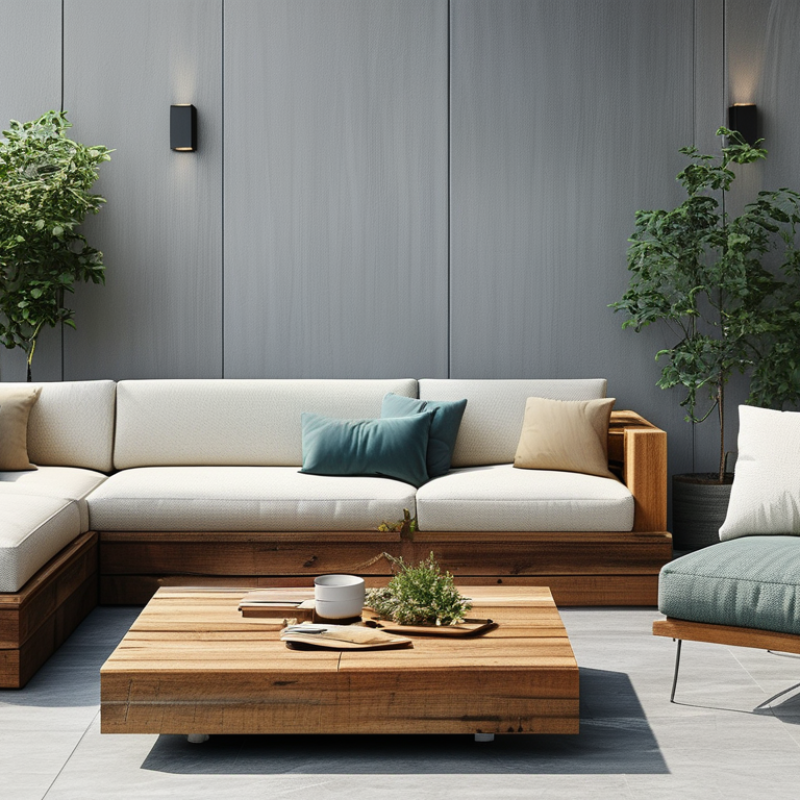
Outdoor Sofas and Sectionals Large seating areas and flexible group layouts Powder-coated aluminum, teak, HDPE lumber, outdoor foam, performance fabric Accommodates several people; modular pieces can be rearranged High with breathable cushions and a ventilated cover system Moderate Measure entrances, pathways, and the overall footprint before ordering.
Outdoor Lounge Chairs Reading, individual relaxation, and accent seating Aluminum, teak, resin, textilene sling fabric, outdoor-grade cushions Provides personal comfort without taking up the space of a sofa High when fabric is UV-stabilized and frame hardware is corrosion-resistant Low to moderate Check seat height, back angle, armrest width, and cushion drainage.
Sun Loungers and Chaise Sofas Poolside relaxation, sunbathing, and reclining Aluminum, teak, textilene, quick-dry foam, solution-dyed outdoor fabric Adjustable backrests support upright, reclined, and flat positions High if fabrics dry quickly and metal components resist chlorine and salt exposure Moderate Prioritize locking back mechanisms, smooth casters, and water-shedding cushions.
Bistro Sets Small balconies, compact patios, and two-person dining Powder-coated steel or aluminum, treated wood, compact ceramic or glass surfaces Efficient footprint for coffee, breakfast, or casual dining Moderate to high; steel requires a well-protected finish to limit corrosion Low Select folding or stackable pieces when storage space is limited.
Bar Sets Entertaining, outdoor kitchens, and narrow counter areas Powder-coated aluminum, teak, HDPE lumber, stainless steel footrests Creates a higher social setting and can save floor space High when frames and fasteners are rated for the local climate Low to moderate Match the seat height to the counter; provide stable footing and adequate clearance.
Outdoor Benches Entryways, garden paths, dining areas, and space-efficient seating Teak, powder-coated aluminum, recycled HDPE lumber, concrete Seats multiple people and can provide a clean, minimalist profile High; solid materials tolerate outdoor exposure when water can drain freely Low Use a backrest and cushions if long-duration comfort is more important than compactness.
Outdoor Ottomans and Poufs Footrests, occasional seating, and flexible layouts Outdoor fabric, quick-dry foam, synthetic wicker, aluminum frames Adds adaptable comfort and may double as a small side table with a firm top Moderate to high depending on drainage and fabric protection Moderate Choose lightweight designs with handles if pieces need frequent repositioning.
Shade Umbrellas and Cantilever Parasols Reducing direct sun over dining and lounge areas UV-resistant outdoor fabric, aluminum poles, steel or weighted bases Improves daytime comfort and helps limit UV exposure to furniture surfaces Moderate; should be closed and secured during strong wind Moderate Size the base for the umbrella design and local wind conditions; never leave it open unattended.
Quick Selection Guide: Choose aluminum or HDPE for low-maintenance use, teak for a natural appearance, quick-drying fabrics for humid or poolside locations, and compact folding or stackable furniture for small spaces. In coastal areas, prioritize corrosion-resistant hardware and rinse salt residue regularly.
Go to Top