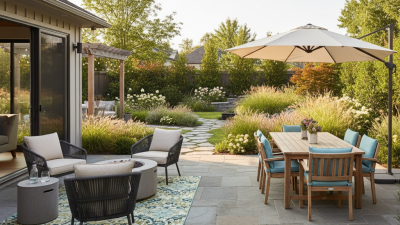

Choosing the right outdoor patio set is less about copying a beautiful photograph. It is about matching materials, space, weather, and daily habits.
Grand View Research estimates that the global outdoor furniture market will continue expanding through 2030. Its findings reflect stronger interest in comfortable, functional outdoor living spaces. Houzz’s 2024 U.S. Houzz & Home Study also identifies outdoor improvements as an active part of residential renovation. These reports suggest growing demand, but market growth does not guarantee a wise purchase. A popular outdoor patio set may still fail on a narrow balcony, under intense sunlight, or beside salty coastal air.
Start with the space.
Measure the patio before browsing styles. Leave enough clearance for chairs to move without striking walls or railings. Check the surface, drainage, shade, and storage options. A powder-coated aluminum frame may suit humid weather, while teak can offer warmth but requires more maintenance. Woven resin may look relaxed, yet poor-quality strands can crack after repeated sun exposure. Cushion fabric matters too. Look for solution-dyed fibers, quick-drying foam, and removable covers.
Comfort deserves a practical test. Sit for several minutes. Notice the seat depth, arm height, and back support. A low lounge chair may feel luxurious briefly, then become inconvenient during dinner. There is no perfect set. I would also question oversized tables, decorative cushions, and unusually low prices. They may photograph well but reduce usable space or increase replacement costs. This guide will compare construction, comfort, weather resistance, maintenance, and value, helping you choose with clearer evidence rather than impulse.
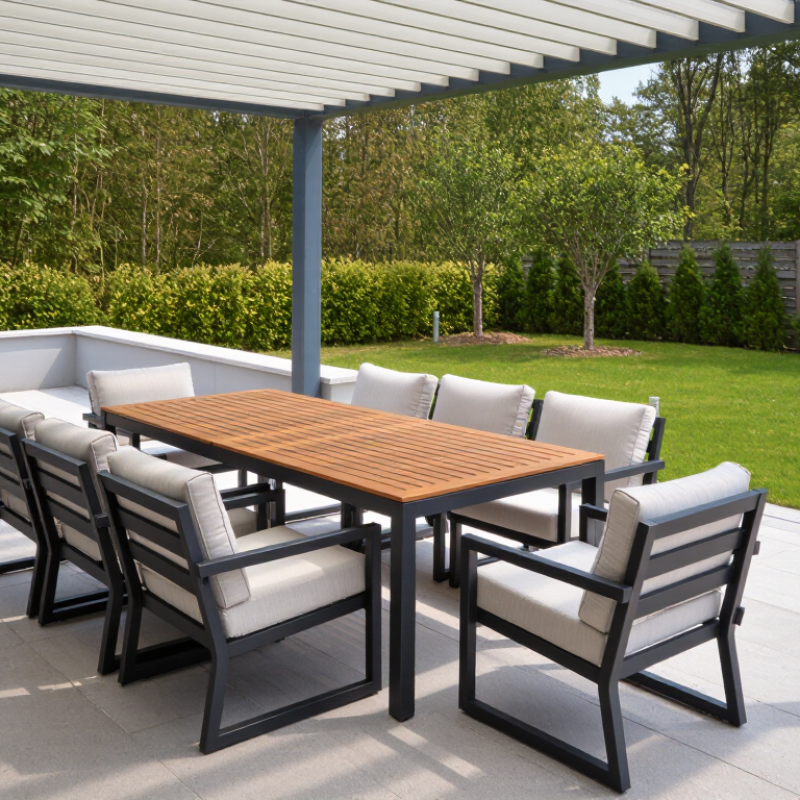
Choosing the best outdoor patio set starts with understanding how each type supports your daily routines. A compact bistro set suits a balcony, porch, or narrow corner. It works well for morning coffee and light meals. A dining set offers a larger table for family dinners, games, and outdoor work. Measure the space carefully, including room for pulled-out chairs.
Sectional seating creates a relaxed conversation area. It fits patios where people gather longer than they eat. Add a low table for drinks, books, or a small tray. Lounge sets, including deep chairs or adjustable loungers, are better for reading and afternoon rest. Bar-height sets can suit outdoor kitchens, but they may feel uncomfortable for young children or older guests.
Weather conditions should guide your material choice. Powder-coated metal usually handles rain well, while treated wood needs regular inspection and sealing. Woven materials can feel comfortable, but trapped moisture may encourage mildew. Check cushion covers for removable, washable fabric. Small details matter.
I once chose a wide sectional without checking the doorway. It looked ideal, but moving it inside became difficult. A patio set should match both the space and the people using it. Do not rely only on appearance. Sit on the chairs, test table height, and inspect frame joints before buying. Comfort can reveal weaknesses that photographs hide.
Measure the patio before browsing furniture. Record its length, width, door openings, and nearby steps. Leave at least 30 inches for comfortable walking paths. Increase that space near sliding doors or busy entrances. A compact balcony may suit two chairs and a narrow table. Larger patios can support a dining set, lounge chairs, or both. Draw the layout on paper first. It exposes awkward corners early.
Seating should match how people actually use the area. Count regular users, then add two seats for guests if space allows. Choose upright chairs for meals and deeper seats for relaxed conversations. Check seat height against the table before buying. I once selected wide chairs that looked comfortable, but they blocked the walkway. That mistake changed my approach. Comfort matters, but movement matters too.
Tips: Use cardboard outlines to mark each furniture piece. Walk around them with a tray or serving dish. Test the layout during your busiest gathering. Remember that cushions need storage space. Measure that space as well. A flexible arrangement may be better than a perfect-looking one. Don’t ignore shade, wind, or afternoon glare. Those details can make a beautiful patio feel impractical.
An outdoor patio set must handle sunlight, rain, dust, and sudden temperature changes. I prefer powder-coated aluminum for damp climates because it resists rust and remains relatively light. However, thin frames can bend under pressure, so inspect the joints and leg supports carefully. Welded connections usually provide better stability than loose, decorative fasteners.
Teak and other dense hardwoods can age beautifully, but they still need regular cleaning and occasional protective treatment. Untreated wood may develop silver-gray tones, cracks, or rough surfaces. That look can be attractive, but it is not always comfortable. For cushions, choose quick-drying foam and solution-dyed fabric. Press the cushion after rain. If water remains trapped inside, mold may appear later.
How to Choose the Best Outdoor Patio Set?
Comfort depends on more than thick cushions. When I test a patio chair, I sit for ten minutes and check its back angle, seat depth, and arm height. A good set supports relaxed conversation without forcing your shoulders forward. Cushions should feel firm, not like a sinking sofa. Removable covers make cleaning easier, especially after meals or sudden rain. I once chose deep chairs that looked inviting but made standing difficult. That mistake still influences how I shop.
Style should match your outdoor space and daily habits. Clean lines suit modern patios, while woven textures create a softer, more natural feeling. However, pale fabrics can show dust quickly. Dark cushions may hide stains but become hot under direct sunlight. Consider the view from inside your home, not only the patio itself. A beautiful set can feel wrong when its scale overwhelms a small balcony.
Maintenance affects comfort over time. Look for rust-resistant frames, tightly woven surfaces, and drainage beneath cushions. Materials such as treated wood, aluminum, and outdoor-grade resin need different care. Check the manufacturer’s care instructions before using strong cleaners. Durability also depends on storage, shade, and local weather. Covering furniture helps, but covers can trap moisture if ventilation is poor. Inspect joints every few months, because loose hardware often appears before serious damage. A patio set that demands constant attention may not suit a busy household.
Safety should guide every patio-set decision. Check that each chair sits firmly on level ground and does not rock when you shift your weight. Rounded edges reduce painful bumps, especially around children. Inspect welded joints, screws, and table legs for gaps or sharp metal.
Materials also matter. Weather-resistant finishes can slow rust, but they do not prevent damage forever. A dark frame may become hot under direct sunlight, while loose cushions can blow away during sudden wind. I once focused too much on appearance and overlooked drainage holes. That mistake made cleaning harder after heavy rain.
Budget planning requires more than comparing the purchase price. Measure your space before shopping, including walking room around the table. A cheaper set may need replacement cushions, protective covers, or hardware within a year. A higher-priced option may offer stronger frames and washable, fade-resistant fabric.
Check weight limits and care instructions carefully. Ask about replacement parts and warranty conditions before paying. These details reveal whether the set is designed for regular outdoor use. Still, expensive does not always mean durable. I would question impressive claims without clear material information.
Tips: Test chairs in person if possible. Sit down and lean back gently. Look underneath the table for water traps. Choose removable cushions with quick-drying filling. Keep receipts and maintenance instructions. Recheck bolts each season, because small looseness can become a safety problem. Use a cover only when the furniture is completely dry.
INFORMATION CENTER
RESOURCES & MORE
INSPIRATION FOR YOU
© Copyright 1981 - 2025 | California Patio™ All Rights Reserved