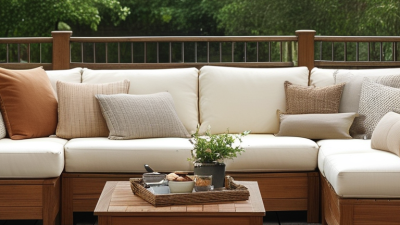

Choosing the right patio furniture can transform an unused balcony, terrace, or backyard into a comfortable outdoor room. The best choices depend on more than appearance. Climate, available space, maintenance needs, seating habits, and storage options all matter.
Outdoor designer Jamie Durie has said, “Outdoor rooms should be treated with the same care as indoor rooms.” That idea remains practical. A powder-coated aluminum dining set may suit a rainy coastal home, while teak furniture can bring warmth to a shaded garden. Woven resin seating offers a lighter look, but low-quality materials may fade or crack under strong sunlight. Small details matter, too. A deep lounge chair feels inviting beside a fire pit, while a slim bistro set fits neatly on a narrow apartment balcony.
This guide explores the top 10 patio furniture types, from sofas and dining tables to loungers, benches, and compact accent pieces. Each category serves a different purpose. Some support long dinners. Others encourage quiet reading or brief morning coffee.
There is no perfect setup.
A beautiful arrangement can still feel uncomfortable if the seat height is wrong. A durable piece may also look too heavy for a small space. We will consider those compromises honestly, including weather resistance, comfort, upkeep, and value. With careful selection, patio furniture can make outdoor living feel intentional rather than improvised.
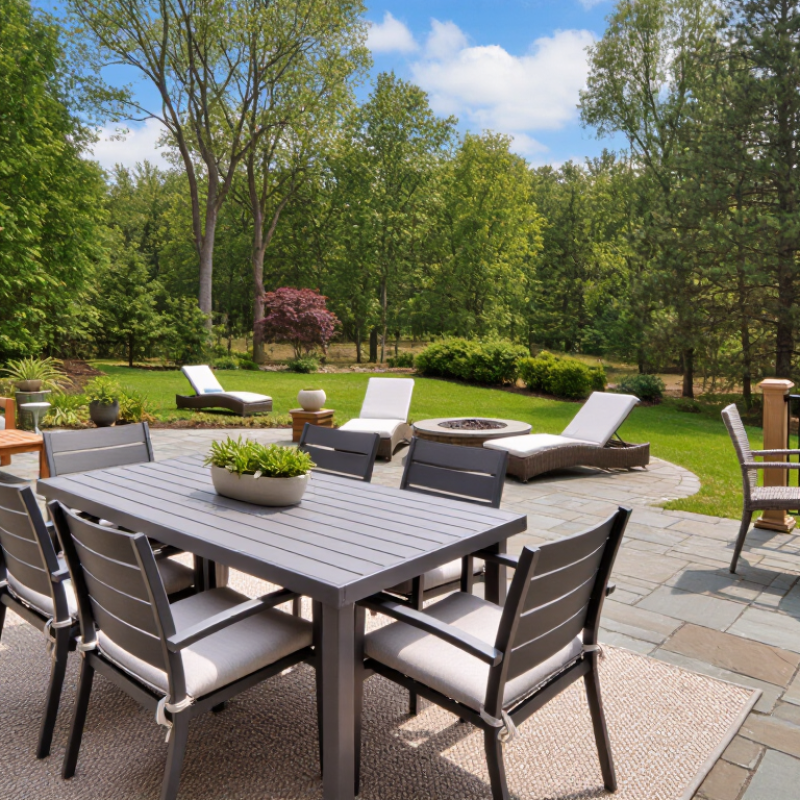
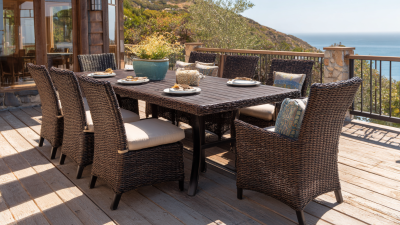
Patio furniture is easier to choose when each piece has a clear job. Dining tables provide a stable surface for meals; common materials include teak, aluminum, and powder-coated steel. Dining chairs pair with them, often using metal or wood frames and woven seats. Comfortable? Check seat depth and back support before buying. Lounge chairs are designed for relaxed sitting, with adjustable backs or weather-resistant cushions. Adirondack chairs, usually made from wood or recycled plastic, have wide arms and a reclined shape for casual outdoor use.
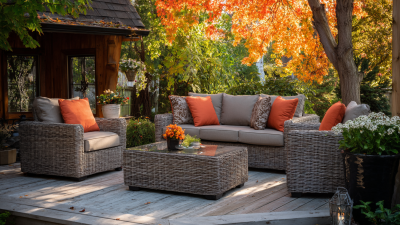
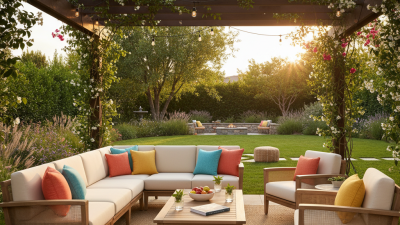
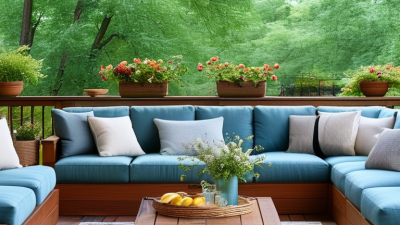
Outdoor sofas create shared seating, typically with aluminum or hardwood frames and removable fabric cushions. Sectional sofas use connected modules to fit corners or larger patios; measure the space before committing. Chaise lounges support full-length reclining, often with adjustable frames made from aluminum or resin. Hammocks offer suspended, gentle movement and use woven fabric or rope, but they need secure supports. They sway more than expected.
Benches provide simple, space-saving seating and may be built from wood, metal, or concrete. They work well near garden paths, though hard surfaces can feel less comfortable during long visits. Patio coffee tables hold drinks and small items beside lounge seating; glass, stone, and metal are common top materials. Side tables serve a similar purpose in a smaller footprint, often using lightweight aluminum or resin for easy repositioning. Material names alone do not guarantee durability: shade, rain exposure, and routine care all affect how furniture ages.
What Are the Top 10 Patio Furniture Types?
Commercial patios commonly use ten seating categories: dining chairs, armchairs, sofas, loveseats, benches, bar stools, chaise lounges, rocking chairs, swivel chairs, and modular seating. Each serves a different posture and traffic pattern. Grand View Research estimated the global outdoor furniture market at about USD 23 billion in 2023, with continued growth through 2030. That expansion increases the need for measurable durability, not attractive catalog language.
BIFMA commercial-grade standards offer a useful comparison framework. ANSI/BIFMA X5.4 evaluates lounge and public seating through tests involving stability, strength, durability, and repeated loading. Sofas and loveseats need strong frames and secure joints. Dining chairs require controlled back and seat loading. Bar stools need careful attention to footrest strength and tipping resistance. Chaise lounges face different stress because users recline, shift, and enter from one side.
Details matter.
For outdoor use, specify corrosion-resistant fasteners, sealed joints, UV-stable surfaces, and drainage-friendly cushions. Modular seating can improve layout flexibility, but loose connectors may create movement after frequent commercial use. A 2024 report from the International Facility Management Association emphasizes lifecycle planning and maintenance costs in managed properties. However, BIFMA testing does not automatically prove weather resistance. That assumption can fail. Teams should combine seating-test evidence with exposure testing, cleaning procedures, and documented inspection intervals. A chair may pass laboratory loading yet perform poorly beside salty air, standing water, or abrasive sand.
This comparison uses general commercial-seating considerations such as stability, structural strength, durability, and intended use. ANSI/BIFMA X5.4 covers lounge and public seating; it does not certify outdoor weather resistance. Ratings below are qualitative category-level guidance, not test results or certification claims.
| Seating Type | Typical Design and Materials | Common Patio Use | Commercial-Seating Considerations | Outdoor Suitability | BIFMA Benchmark Relevance |
|---|---|---|---|---|---|
| Dining Chair | Upright seat with a back; commonly made with metal, wood, resin, or outdoor-rated woven materials. | Outdoor dining tables and meal areas. | Check frame stability, joint strength, seat support, and durability under repeated use. | High with weather-ready materials | Relevant seating-performance concepts; X5.4 applicability depends on the chair’s design and scope. |
| Armchair | Chair with armrests; often designed for dining or relaxed conversation. | Dining settings, patios, and conversation groups. | Assess armrest attachment and strength as well as overall stability and structural durability. | High with weather-ready materials | X5.4 may be a useful reference for lounge-style designs; confirm the product falls within the standard’s scope. |
| Side Chair | Armless chair with a relatively compact footprint; may be stackable or fixed-frame. | Dining areas and smaller patios where space is limited. | Consider stability, seat support, frame strength, and performance during repeated movement. | High with weather-ready materials | General seating durability and stability concepts are relevant; exact test applicability varies by design. |
| Stackable Chair | Lightweight chair shaped to nest securely with matching chairs; commonly resin or metal. | Flexible dining areas, events, and high-turnover outdoor spaces. | Check stability in use, frame durability, and whether stacking causes damage or unsafe handling. | High when designed for outdoor use | Commercial seating performance principles are useful; stacking and storage needs may require additional evaluation. |
| Folding Chair | Chair with a hinged frame that folds for storage; commonly metal, resin, or wood. | Occasional seating, event use, and compact storage. | Inspect hinge and locking mechanisms, stability when open, and wear from repeated folding. | Moderate to high, depending on finish | Stability and strength are relevant considerations; folding mechanisms require design-specific assessment. |
| Lounge Chair | Reclined or generously proportioned seat, often with cushions and a supportive back. | Relaxation areas, poolside settings, and outdoor living spaces. | Evaluate structural strength, stability, support, and durability under sustained seating use. | High with outdoor-rated frame and cushions | ANSI/BIFMA X5.4 is the closest listed benchmark for lounge and public seating, subject to scope. |
| Adirondack Chair | Distinctive wide arms, slanted back, and low seat; made from wood, recycled plastic, or other outdoor materials. | Porches, gardens, fire-pit areas, and informal seating zones. | Check stability, seat and back support, arm strength, and resistance to loosening at joints. | High with suitable outdoor materials | Stability and structural durability concepts apply; its reclined form may affect comparison with other seating types. |
| Rocking Chair | Chair mounted on curved rockers; commonly wood, metal, or outdoor-rated synthetic material. | Porches and sheltered relaxation areas. | Assess controlled rocking motion, stability, rocker attachment, and frame durability. | Moderate to high, depending on exposure | General seating strength is relevant, but rocking motion calls for additional design-specific stability checks. |
| Glider Chair | Seat moves on a guided gliding mechanism, often with a stationary base. | Covered patios, porches, and quiet seating areas. | Check mechanism security, smooth movement, pinch-point protection, stability, and repeated-use durability. | Moderate; protect moving parts from weather | Seating-performance concepts are relevant; the gliding mechanism needs separate evaluation. |
| Outdoor Bench | Long shared seat, with or without a back; commonly wood, metal, concrete, or recycled plastic. | Gardens, walkways, dining areas, and shared public spaces. | Consider frame and joint strength, stability, support across the seating surface, and intended occupancy. | High with weather-resistant construction | X5.4 may be relevant to certain public-seating designs; bench configuration and intended use affect applicability. |
Patio furniture should fit the way people actually move outdoors. A dining set suits regular meals, but chairs need room to slide back without blocking the door. Measure the table footprint, pulled-out chairs, and a clear walking path before buying. Measure first. A table that fits on paper can still make a narrow patio feel cramped.
The American Society of Landscape Architects’ 2023 Residential Landscape Architecture Trends Survey found that 62% of responding landscape architects considered outdoor dining areas popular. That signals interest, not proof that every patio needs a full dining set. For small spaces, a round table can ease movement around corners; a narrow rectangular table may use a long wall more efficiently. A bar-height counter can provide serving space, but stools still need clearance and may be less comfortable for long meals. Check the actual dimensions, including chair pullback. A little empty space is useful. It keeps a busy patio from feeling like a furniture showroom.
What Are the Top 10 Patio Furniture Types?
A useful patio plan may include dining sets, lounge chairs, sofas, bistro tables, benches, rocking chairs, hammocks, umbrellas, shade systems, and fire pits. Each type creates a different safety concern. A dining chair should sit firmly on uneven paving. A hammock needs reliable anchor points and adequate clearance. Fire pits require stable legs, heat-resistant surfaces, and generous space from furniture, walls, and overhead coverings.
Shade products deserve closer attention. An umbrella can tip suddenly when wind catches its canopy. Check its base weight, locking parts, opening mechanism, and stated wind limitations. A pergola or shade sail should have secure posts, sound fasteners, and no loose fabric edges. ASTM guidance can help evaluate stability, structural performance, materials, and user safety, but it does not replace local building or fire requirements. Verify the current, applicable ASTM standard and follow the product instructions.
Fire pits need disciplined placement. Keep cushions, curtains, dry leaves, and plastic furniture away from heat and sparks. Never place a solid-fuel fire pit beneath an enclosed shade system unless the instructions and local rules clearly allow it. Gas connections deserve inspection by a qualified professional. A tidy patio can still hide hazards. I would recheck the layout after rain, strong wind, or furniture movement. ASTM testing improves confidence, but real outdoor conditions remain unpredictable. That is where careful judgment matters.
Typical seating capacity in common patio setups. These are practical planning examples, not market averages; actual capacity depends on the product and layout.
Safety note: Follow the product’s assembly, anchoring, clearance, and use instructions. ASTM F1561 covers plastic chairs for outdoor use; ASTM F3363 covers fire tables. A standard’s scope applies only to products covered by it—check the specific product documentation, and secure umbrellas and shade structures as directed.
Patio furniture works best when matched to local weather, not just appearance. Dining sets suit dry climates and frequent outdoor meals. Lounge sets offer comfort but need breathable cushions in humid regions. Sofas and sectionals create flexible seating, although trapped moisture can encourage mildew. Bistro sets fit small balconies and perform well under light exposure. Adirondack chairs handle casual use, especially when made from weather-resistant materials.
Rocking chairs add movement to covered porches. Chaise lounges suit sunny areas, but fabrics need strong ultraviolet protection.
Benches provide durable seating for busy family spaces. Bar-height sets improve airflow and social seating, yet they can feel unstable in strong wind.
Outdoor daybeds deliver luxury, though their cushions require careful storage. That is ten practical types.
Durability ratings help compare materials. Powder-coated aluminum often deserves a 4/5 for rust resistance, while stainless steel can reach 5/5 with proper cleaning. Teak performs well in wet climates, but its color changes without maintenance. Resin furniture handles rain and salt air effectively, though extreme heat may cause warping. In coastal areas, I would avoid untreated steel. It can rust faster than expected.
Market-growth reports commonly project outdoor furniture expansion near 5% to 7% annually through the decade. Results vary by region, housing trends, and tourism demand. Rising balcony living supports compact sets, while warmer weather increases lounge-furniture sales. These figures are useful, but not perfect. Forecasts often overlook sudden climate events and shipping costs. Inspect joints, drainage holes, and fabric stitching before trusting any durability label.
INFORMATION CENTER
RESOURCES & MORE
INSPIRATION FOR YOU
© Copyright 1981 - 2025 | California Patio™ All Rights Reserved