How to Choose the Best WPC Decking Board for Your Project?
Choosing the right Wpc Decking Board can be daunting. With so many options available, it's essential to consider various factors. Expert Mark Thompson, a renowned architect in outdoor spaces, states, “The right decking can transform any area into a stylish retreat.” His insight reflects the importance of making an informed choice.
WPC decking boards combine wood and plastic, offering durability and aesthetics. They resist rot, insects, and fading, making them ideal for any climate. But not all boards are created equal. Pay attention to the material composition, weight, and warranty offered by manufacturers. Some boards may look appealing but can lack long-term performance.
As you explore your options, remember that selecting a WPC decking board requires thought. There's more to it than just color and texture. Consider how the decking will feel underfoot and its suitability for your project. A well-informed decision will ensure your outdoor space meets both beauty and functionality. Always take the time to reflect on these aspects before making a final choice.
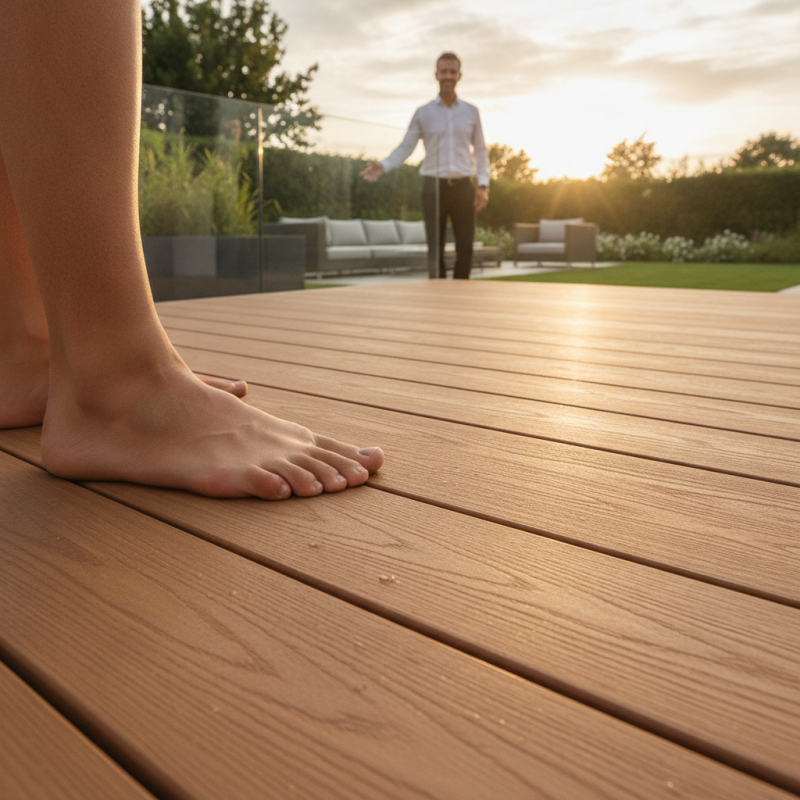
Understanding WPC Decking: What Makes It Different from Traditional Wood
WPC decking, or Wood Plastic Composite decking, stands apart from traditional wood in many significant ways. Composed of a blend of wood fibers and recyclable plastics, it offers durability and low maintenance. According to industry reports, the global market for WPC decking is expected to reach $5.5 billion by 2027, reflecting its growing popularity.
Unlike traditional wood, WPC decking is resistant to moisture, preventing warping and splintering. This resistance offers a longevity that untreated wood simply cannot match. In fact, WPC decking can last up to 25 years with minimal maintenance. Environmental concerns are also addressed; WPC can be made from recycled materials, reducing deforestation impacts. However, while its aesthetic appeal has improved, some may still find it lacks the natural charm of real wood.
When selecting WPC decking, consider its texture and color carefully. Not all products mimic wood well, leading to a faux appearance that might not satisfy everyone's taste. Research shows that consumer preferences can vary widely, making personal choice vital. Additionally, not all WPC boards are created equal; variations in quality can influence longevity and performance. Reflect on these factors when making your decision, as they can significantly impact your project's outcome.
Key Factors to Consider When Choosing WPC Decking Boards
Choosing the right WPC decking board is crucial. There are key factors that influence your decision. One important aspect is the material composition. WPC, or wood plastic composite, typically contains around 60% wood fibers and 40% recycled plastic. This combination offers durability while maintaining a natural look.
Another factor to consider is the board thickness. Thicker boards, generally around 25mm, can withstand heavier loads and are less likely to warp. Industry reports indicate that poorly designed installations often lead to issues. Regular maintenance is also vital. While WPC decking requires less upkeep than traditional wood, regular cleaning is necessary to prevent mold growth.
Aesthetics play a significant role, too. Color fading can occur within the first year. Many homeowners expect long-lasting color retention, which isn’t always met. When selecting a finish and color, look for UV-resistant options. Industry studies suggest that consumers often overlook warranties. A solid warranty can indicate product quality and manufacturer confidence. Always read the fine print before making a purchase.
Exploring Different Types of WPC Decking Materials and Their Benefits
When selecting the ideal WPC (Wood-Plastic Composite) decking for your project, understanding the various materials available is crucial. WPC decking commonly blends wood fibers with plastic, resulting in a durable, low-maintenance solution. According to the Freedonia Group, the demand for WPC in the decking market is projected to grow by 4.5% annually through 2024, underscoring its rising popularity.
Different types of WPC materials offer unique benefits. For instance, some formulations emphasize durability and weather resistance, making them suitable for extreme climates. Others focus more on aesthetics, providing a wood-like appearance that appeals to homeowners. A study by Grand View Research found that the global WPC decking market reached $1.5 billion in 2020, driven by an increase in sustainable building materials. Yet, not all WPC products are equal; quality can vary significantly based on manufacturer practices.
While WPC decking is largely regarded as maintenance-free, it requires occasional cleaning to prevent mold and mildew. Some users find specific brands more prone to fading or scratching than others. Ultimately, evaluating these aspects is essential for achieving long-lasting satisfaction with your decking choice. The benefits can be considerable, but the choices can often lead to ambiguity, and some may face challenges in finding the right fit for their specific needs.
Evaluating WPC Decking Board Thickness and Length for Your Project
When selecting WPC decking boards, the thickness and length are crucial factors that affect durability and installation. Typically, WPC boards come in various thicknesses, commonly ranging from 1 inch to 1.5 inches. Thicker boards usually provide better structural integrity and can handle heavier loads. However, they may also increase costs. Consider the local climate and your specific project needs when choosing thickness.
Length is another essential aspect to evaluate. WPC boards typically range from 8 to 16 feet long. Longer boards can reduce the number of seams, giving a cleaner look to your deck. However, they can be harder to transport and install. Make sure you assess any transportation challenges beforehand. The cost trade-off between board length and ease of use is something that requires reflection.
Additionally, the choice of thickness and length can impact safety and maintenance. Thicker boards may offer better resistance against warping and splitting, while length can influence how well the deck will perform under pressure. It’s essential to ensure that your selections match your project's specific needs and conditions. Balancing these factors will lead to a solid decision for your decking project.
How to Choose the Best WPC Decking Board for Your Project?
| Thickness (mm) | Length (m) | Color Options | Weight (kg/m²) | Durability Rating |
| 20 | 2.4 | Teak, Walnut, Grey | 10 | High |
| 25 | 3.0 | Brown, Cedar, Black | 12 | Very High |
| 30 | 3.6 | Antique, Slate, Red | 15 | Extreme |
| 35 | 4.0 | Charcoal, Driftwood | 18 | Premium |
Cost Analysis: Budgeting for WPC Decking Options and Installation
Understanding the cost implications of WPC decking is vital for any project. WPC, or wood-plastic composite, offers durability and aesthetic appeal. However, it's essential to budget wisely to maximize value. Material costs can vary significantly. It's important to request multiple quotes. Prices can fluctuate based on regional availability and selected features.
Installation also plays a critical role in your overall expenditure. Hiring professionals may add to your costs, but they can ensure proper fitting and longevity. DIY installation could save money, but it comes with risks. Mistakes can lead to costly repairs later on. Consider all possible expenses.
Think about hidden costs. Maintenance is often overlooked but is essential for the long-term performance of WPC decking. Be aware that while WPC boards can resist fading, they may require cleaning agents that impact budget. Investing time upfront in research can lead to better choices. Reflection on your unique needs will help you allocate funds more effectively.
Cost Analysis of WPC Decking Options
This bar chart illustrates the cost per square foot of different tiers of WPC decking options, allowing for effective budgeting based on project requirements.