How to Choose the Best Commercial Outdoor Furniture for Your Business
The outdoor dining experience has increasingly become a focal point for businesses seeking to enhance their atmospheres and customer satisfaction. According to a recent report by IBISWorld, the commercial outdoor furniture industry has seen steady growth, with revenue projected to rise by 4.2% annually over the next five years. This growth underscores the importance of selecting the right commercial outdoor furniture, which not only improves the aesthetic appeal of a business but also affects customer retention.
Industry expert Samantha Collins, a leading consultant in commercial outdoor design, emphasizes the critical decision-making involved in this process. She states, "Choosing the appropriate commercial outdoor furniture can significantly transform an outdoor space into a vibrant extension of your business, attracting more customers and maximizing profits." Her insights highlight the necessity of understanding various elements such as durability, style, and comfort, all of which contribute to creating an inviting outdoor ambiance. As businesses aim to capitalize on outdoor seating opportunities, making informed choices about commercial outdoor furniture becomes paramount for long-term success.
Factors to Consider When Choosing Commercial Outdoor Furniture
When selecting the best commercial outdoor furniture for your business, several critical factors should be taken into account to ensure both functionality and aesthetic appeal. First and foremost, consider the durability of the materials. According to a report by the American Furniture Manufacturers Association, high-quality outdoor furniture should withstand various weather conditions without showing signs of wear and tear. This is especially important in commercial settings, where furniture is frequently used and exposed to the elements. Opting for materials such as aluminum, teak, or synthetic resin can provide longevity and lower maintenance costs over time.
Another essential factor is the comfort of the furniture, as it directly influences customer experience. A survey conducted by the International Furniture Design Association indicated that businesses offering comfortable outdoor seating saw a 25% increase in customer satisfaction and retention rates. Ergonomic design should be a priority, as well as features like cushioning, which can entice patrons to linger longer at your establishment. Lastly, consider the overall aesthetic that aligns with your brand image. Cohesive design can enhance the ambiance of your outdoor space and attract more customers, which is crucial in the competitive landscape of the hospitality industry. An evaluative approach to these factors will ensure the selection of commercial outdoor furniture that enhances both practicality and customer engagement.
How to Choose the Best Commercial Outdoor Furniture for Your Business - Factors to Consider When Choosing Commercial Outdoor Furniture
| Factor |
Description |
Importance Level |
Recommended Materials |
| Durability |
Furniture should withstand harsh weather conditions and heavy usage. |
High |
Aluminum, Teak, Steel |
| Comfort |
Furniture should provide a comfortable seating experience for customers. |
High |
Cushioned chairs, Ergonomic designs |
| Style |
Furniture should match the aesthetic of your business and attract customers. |
Medium |
Wicker, Contemporary metal, Rustic wood |
| Maintenance |
Consider how easy it is to clean and maintain the furniture. |
High |
Weather-resistant finishes, Non-porous materials |
| Portability |
Furniture that can be easily moved for flexibility in layout. |
Medium |
Lightweight aluminum, Stackable options |
| Cost |
Balance quality with budget constraints to optimize investment. |
High |
Varies widely; focus on durability for long-term savings |
Materials and Durability: Selecting the Right Options for Your Business
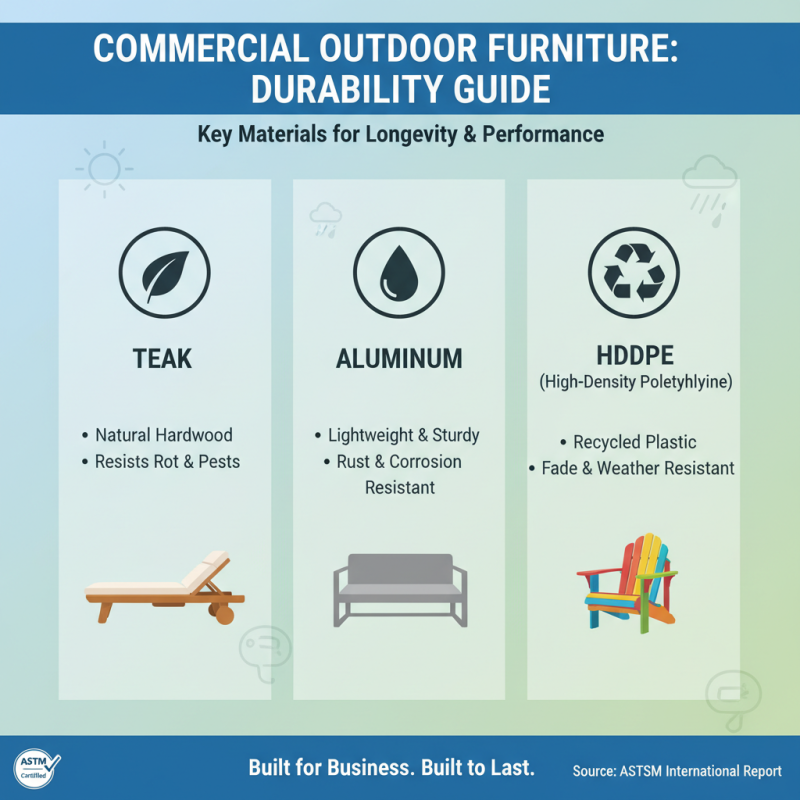
When selecting outdoor furniture for your business, understanding materials and durability is paramount. In commercial settings, furniture is subjected to varying weather conditions, foot traffic, and overall wear and tear. According to a report by the American Society for Testing and Materials (ASTM), commercial outdoor furniture must withstand extreme weather and frequent use. Materials such as aluminum, teak, and high-density polyethylene (HDPE) stand out for their durability and resistance to the elements. For example, aluminum is lightweight yet sturdy, resisting rust and corrosion, making it ideal for coastal areas.
Tip: Consider the maintenance requirements of each material. For instance, teak, while highly durable, requires regular oiling to preserve its rich color, which may increase long-term maintenance costs. In contrast, HDPE is virtually maintenance-free, requiring only soap and water to clean, which may be more suitable for busy establishments.
Another factor to consider is the impact of UV rays. A study conducted by the National Institute of Standards and Technology (NIST) highlights that prolonged exposure to sunlight can lead to fading and degradation of certain materials. Opting for UV-resistant fabrics and finishes can significantly prolong the life of your furniture. Additionally, warranties provided by manufacturers can offer insights into the expected durability and lifespan of the furniture, helping you make a more informed decision for your business.
Tip: Always inquire about the warranty and expected lifespan statistics when making your purchase. Having this knowledge not only aids in choosing the right materials but also ensures a wise investment for your business needs.
Design and Aesthetics: Aligning Furniture with Your Brand Image
When selecting commercial outdoor furniture, aligning the design and aesthetics with your brand image is vital. The furniture you choose should reflect your business ethos and appeal to your target audience.
For example, a trendy café may opt for vibrant colors and modern designs to create a lively atmosphere, while a high-end restaurant might prefer elegant, understated pieces that exude sophistication. By ensuring that your outdoor furniture complements your brand's personality, you can create a cohesive look that enhances the overall customer experience.
Moreover, consider the materials and finishes that resonate with your brand. Robust and weather-resistant materials not only ensure durability but can also reflect your commitment to quality. A rustic furniture style using reclaimed wood may appeal to eco-conscious consumers, while sleek metal designs might attract those who favor industrial aesthetics. Ultimately, your outdoor space should create an inviting setting that encourages guests to linger, seamlessly integrating with your brand's identity and values. This thoughtful approach to design will help distinguish your business in a competitive market.
Functionality and Comfort: Meeting the Needs of Your Customers
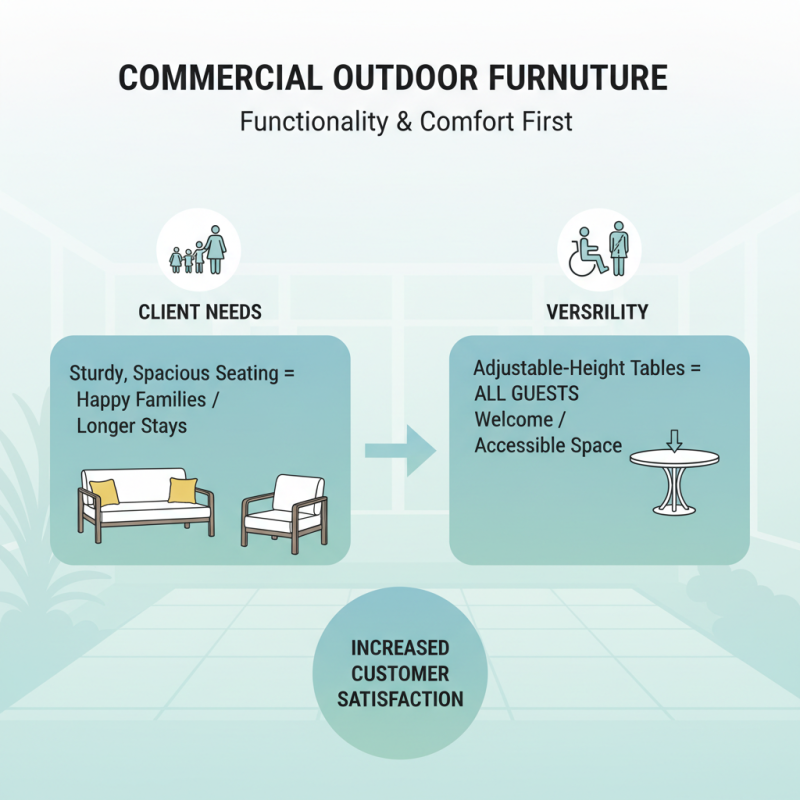
When selecting commercial outdoor furniture, the primary focus should be on functionality and comfort, as these elements have a direct impact on customer satisfaction. First and foremost, it's essential to consider the specific needs of your clientele. For instance, if your business attracts families, opting for sturdy, spacious seating options can enhance the dining experience, encouraging patrons to linger. Additionally, incorporating tables with adjustable heights can accommodate various guest preferences, making your outdoor space more accessible to everyone.
Comfort is equally critical in creating an inviting atmosphere. Choosing furniture with ergonomic designs and high-quality materials can significantly elevate the customer experience. Features such as plush cushions and breathable fabrics can keep patrons comfortable, even during extended visits. Furthermore, ensuring that the furniture is well-proportioned to provide ample room to move will make the space feel more welcoming. By prioritizing these factors, you can create an outdoor environment that not only meets the needs of your customers but also enhances their overall experience, encouraging repeat visits and positive word-of-mouth for your business.
Budgeting for Quality: Investing in Long-lasting Outdoor Furniture
When budgeting for commercial outdoor furniture, it's essential to prioritize quality over initial cost to ensure longevity and durability. A report by the International Casual Furnishings Association indicates that high-quality outdoor furniture can last up to 10 years longer than cheaper alternatives. Investing in durable materials, such as aluminum or teak, can yield savings in the long run, as these materials are designed to withstand harsh weather conditions and heavy use. In fact, the market for commercial outdoor furniture is expected to grow to over $5 billion by 2027, underscoring the increasing recognition of the value of robust outdoor solutions.
Furthermore, the upfront investment in quality outdoor furniture can result in higher customer satisfaction and retention rates. According to a study published by the Furniture Today, businesses that prioritize high-quality outdoor settings report a 25% increase in customer engagement and time spent at their establishments. By providing a comfortable and appealing outdoor environment, businesses not only enhance their brand image but also drive more foot traffic, ultimately increasing overall sales. Therefore, while the initial costs may seem daunting, the long-term benefits of investing in quality commercial outdoor furniture are undeniable.
Budgeting for Quality: Investing in Long-lasting Outdoor Furniture
This chart illustrates the average cost of different types of commercial outdoor furniture and their expected lifespan. Investing in higher quality furniture can significantly reduce replacement costs over time.