2026 How to Choose the Best Bathroom Fittings for Your Home?
Choosing the right Bathroom Fittings can greatly impact your home's overall appeal. Bathroom fittings are not just functional items; they also enhance aesthetics and comfort. When selecting these essential components, it’s crucial to consider both style and durability.
Many homeowners feel overwhelmed by the myriad of options available. From taps to towel rails, every choice matters. Investing in quality fittings often pays off in the long run. However, finding the balance between quality and affordability can be challenging. Some may prioritize looks over functionality, only to regret the decision later. Others might focus solely on costs, missing out on excellent options.
It’s essential to weigh the pros and cons of each fitting. Think about your daily routines and design preferences. Do the fittings match your bathroom’s theme? Reliability and ease of maintenance should also guide your choices. Remember, the right bathroom fittings will elevate your space and meet your needs effectively.
Understanding Your Bathroom Space: Dimensions and Layout Considerations
When choosing bathroom fittings, the layout and dimensions of your space are crucial. Understanding your bathroom's measurements helps in selecting appropriate fixtures that suit your needs. Measure the length and width of the room carefully. This will guide you in deciding between a spacious shower or a compact tub.
Consider the placement of plumbing fixtures. Existing outlets can dictate the location of sinks and toilets. Additionally, think about the flow of the space. You want enough room to move comfortably. A cramped bathroom can feel overwhelming. Pay attention to details like door swings and the positioning of towel racks.
Using layout software or sketches can clarify your vision. Experimenting with different designs might reveal unexpected issues. Sometimes, a layout that seems perfect can feel awkward in reality. It’s essential to visualize how the space operates daily.
Remember, practicality often trumps aesthetics. In the end, the best fittings complement your lifestyle while enhancing functionality.
Materials Matter: Choosing Durable and Stylish Bathroom Fittings
Choosing the right materials for bathroom fittings can drastically influence both durability and aesthetic appeal. In fact, a recent industry report indicates that 70% of homeowners prioritize longevity when selecting fittings. This not only minimizes replacement costs but also contributes to sustainability efforts. Popular materials include ceramic, stainless steel, and tempered glass. Each offers unique benefits and challenges.
Ceramic is known for its durability and easy maintenance. However, it can be prone to chipping. Stainless steel provides a sleek look but can show water spots if not regularly polished. Tempered glass, often used for shower doors, is stylish yet may require careful handling to avoid breakage. A surprising statistic reveals that nearly 30% of consumers feel overwhelmed when faced with choices, which can lead to poor decisions.
While selecting materials, consider the environment. High humidity levels in bathrooms can affect performance over time. Therefore, investing in quality materials will pay off in the long run. Yet, it’s crucial to reflect on your personal style and lifestyle needs. Some fittings may look appealing but don't suit practical requirements, leading to dissatisfaction. Balancing style and function requires thoughtful consideration for your unique space.
Water Efficiency: Importance of Low-Flow Fixtures in Modern Bathrooms
When choosing bathroom fittings, water efficiency becomes paramount. Low-flow fixtures are essential in modern bathrooms. These fixtures help reduce water usage while still providing a satisfying user experience. For instance, low-flow toilets can cut water consumption by nearly 50%. This not only conserves water but also lowers utility bills.
Tip: Look for the WaterSense label when selecting faucets and showerheads. This ensures they meet strict efficiency criteria. Another consideration is the type of materials used. Durability is key for bathroom fittings. Choose high-quality materials that withstand moisture and temperature changes.
While low-flow fixtures save water, they may require adjustments. Some users find the water pressure lower than expected. This can be addressed with proper installation and maintenance. Ensuring that pipes are clear and fittings are installed correctly can make a significant difference. Evaluate your bathroom's layout and consider potential changes to maximize efficiency.
Style and Design Trends: Aligning Fixtures with Home Aesthetics
Choosing the right bathroom fittings can significantly enhance your home's aesthetic. The current trend emphasizes blending functionality with style. According to a recent report by the National Kitchen and Bath Association, 70% of homeowners prioritize design that complements their overall interior. Choosing fixtures that align with your existing decor is essential.
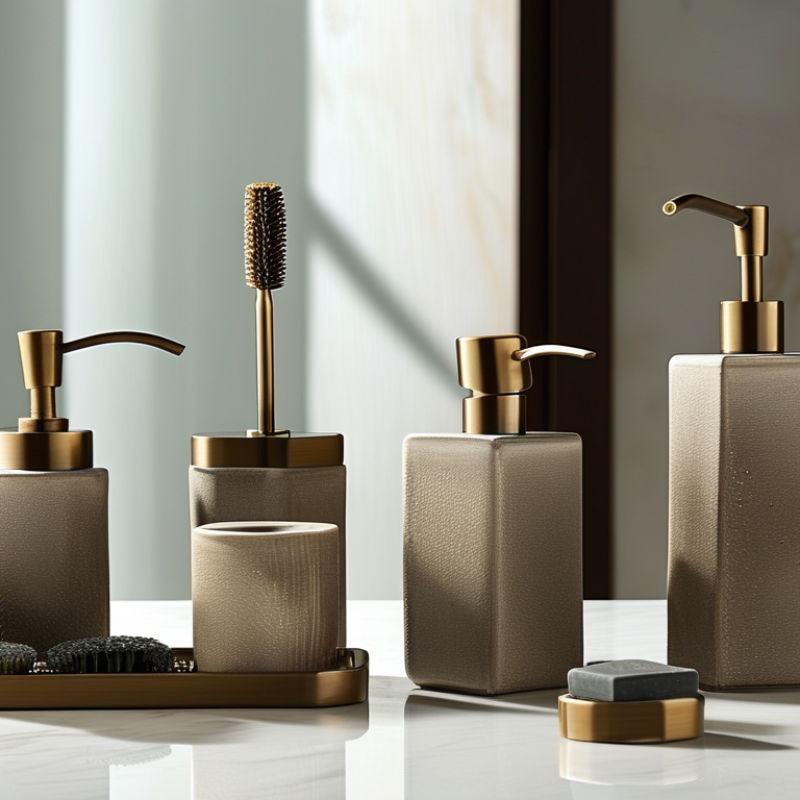
Minimalistic designs are gaining traction. Clean lines and neutral colors can create a calm environment. Data shows that 55% of consumers prefer modern fittings, while rustic elements still hold appeal for 30%. Consider mixing materials, like combining brushed nickel with natural stone. This combination not only looks elegant but also adds texture.
Aesthetic choices should reflect personal taste yet remain timeless. Some designs may appear trendy now but could feel outdated in a few years. Think about longevity in your selections. Fixtures should harmonize with other spaces in your home, creating a cohesive flow. Reflecting on these aspects will ensure a more satisfying renovation experience.
Budgeting for Quality: Balancing Cost and Longevity in Bathroom Fittings
When budgeting for bathroom fittings, quality should not be compromised. Many homeowners face the dilemma of choosing between cost and durability. It's tempting to go for cheaper options, but they often lead to higher expenses down the road. Investing in quality fittings can save money in the long term.
Consider the materials used. Stainless steel and solid brass are commonly more durable than plastic alternatives. Look for warranties and guarantees. These are indicators of a manufacturer's confidence in their products. A fixture with a five-year warranty will often last longer than one without.
Balancing cost and longevity can feel overwhelming. It's essential to research different options before making decisions. Don’t rush; take time to weigh the pros and cons of each fitting. Sometimes, it’s okay to spend a bit more upfront for enhancements that will stand the test of time. Engaging with user reviews can also provide insights into real-life durability, helping you make informed choices.
Cost Comparison of Bathroom Fittings by Material Type