How to Choose the Best Outdoor Kitchen Cabinets for Your Space?
When it comes to creating the perfect outdoor space, choosing the right outdoor kitchen cabinets is crucial. According to a recent industry report, over 70% of homeowners prioritize outdoor kitchens when renovating their backyards. Properly selected cabinets can enhance functionality and aesthetic appeal.
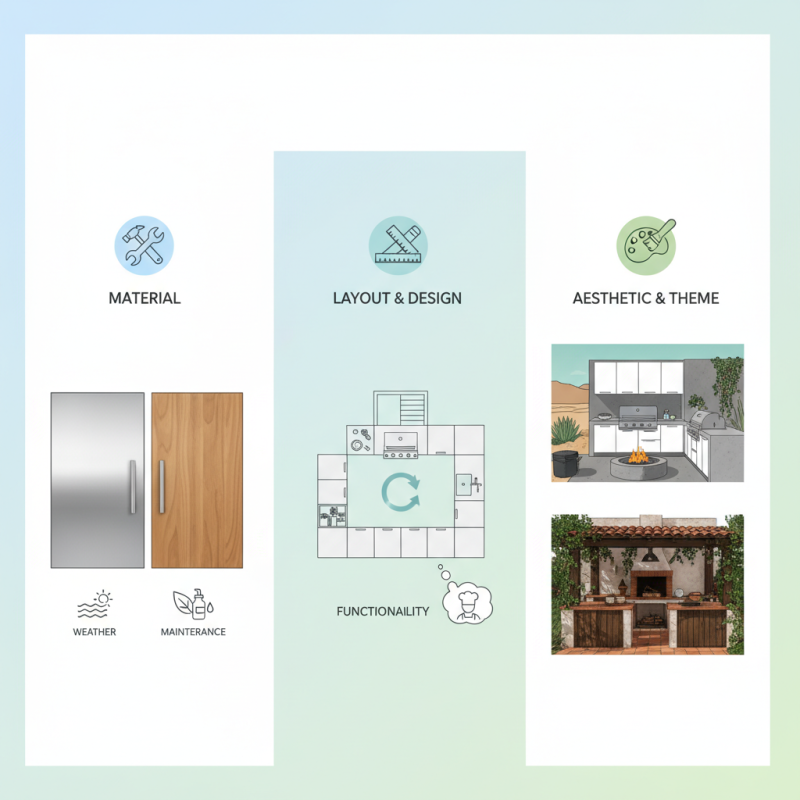
The material of your outdoor kitchen cabinets significantly impacts their durability and maintenance. Stainless steel is popular for its resistance to rust and weather. However, some homeowners may find it too cold or industrial. On the other hand, wood offers warmth but may require regular sealing.
Selecting outdoor kitchen cabinets also involves considering layout and design. Ensuring your cabinets fit well within your space can be challenging. Poorly planned designs lead to wasted space and inefficiency. Reflect on your cooking habits and storage needs to make an informed choice. Make sure your cabinets complement your overall outdoor theme as well.
Understanding Your Outdoor Kitchen Space and Needs
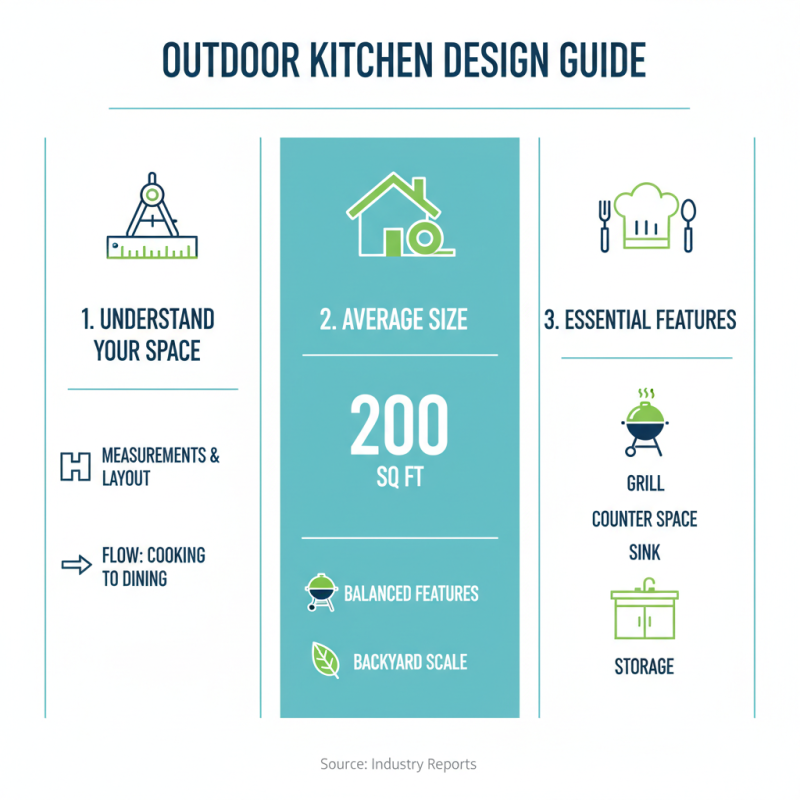
When designing your outdoor kitchen, understanding your space is critical. Analyze measurements and layout options. The average outdoor kitchen is around 200 square feet, according to industry reports. This size lets you incorporate essential features without overwhelming your backyard. Think about the flow between cooking and dining areas. It ensures ease of movement and enhances the experience.
Tips: Take a critical look at your existing setup. Are there specific areas that feel cramped? Adjust your design accordingly. Incorporate ample storage to keep your space organized. An outdoor kitchen without proper storage can quickly become cluttered and uninviting.
Additionally, consider your cooking needs. The National Kitchen and Bath Association found that over 70% of homeowners prioritize grills. Choose cabinets that can withstand weather conditions and frequent use. Not all materials are created equal, and some might not hold up well over time. You might want to spend a bit more on durable options to avoid early replacements.
Tips: Research materials that offer the best longevity. Composite or stainless steel can be good choices. Don’t forget about aesthetics. A beautiful kitchen adds joy to meal prep and gatherings. But functionality should never be overlooked. Give yourself space to adjust and refine your vision as you go.
Evaluating Material Options for Durability and Weather Resistance
Choosing the right materials for outdoor kitchen cabinets is crucial. Durability and weather resistance are key factors. Different materials offer varying levels of protection against the elements. Wood requires regular sealing and maintenance. It can warp or rot when exposed to moisture. Stainless steel, on the other hand, resists rust but can dent easily.
Consider composite materials, as they offer a balance of performance. They can mimic the appearance of wood but withstand harsh weather. However, some composites can fade over time. Think about how these materials will interact with your environment. Sun exposure and humidity can impact longevity.
Installation plays a role in durability, too. Poor installation can lead to wear, even with high-quality materials. Ensure proper drainage to avoid standing water. It's easy to overlook things until issues arise. Reflect on weather patterns in your area; they influence your choice. Choosing materials is not straightforward but worth the effort.
Material Options for Outdoor Kitchen Cabinets: Durability and Weather Resistance
Designing for Functionality: Layout and Accessibility Considerations
When designing your outdoor kitchen, layout is crucial. Start by assessing your space. Consider flow and movement. It's essential to allow enough room for cooking and entertaining. An open layout promotes social interaction. Ensure that high-traffic areas do not conflict with cooking zones. This will help prevent accidents and keep everything running smoothly.
Accessibility is another key factor. Make sure that important items are within reach. Place frequently used utensils closer to the cooking area. Store larger items in easy-to-access cabinets. Think about where people will gather. You may want adjustable seating options for comfort. Even the best designs can fall short if they don't cater to your lifestyle.
Pay attention to weather elements, too. If cabinets are too exposed, they may need frequent maintenance. Choose materials that resist fading and damage. However, even durable choices may fail in tough conditions. Regular checks are necessary. Allow flexibility in your design for future adjustments. A kitchen should evolve with its users, not be set in stone.
Aesthetic Choices: Color and Style to Complement Your Outdoor Design
Choosing the right colors and styles for your outdoor kitchen cabinets is crucial. They should enhance your overall outdoor design.
Neutral tones remain popular. They blend seamlessly with natural surroundings. However,
bold colors can make a striking statement. A survey from the American Society of Landscape Architects
indicates that 65% of homeowners prefer earthy hues like greens and browns.
When selecting a finish, consider the climate. Wood offers aesthetic warmth but requires maintenance.
Metal cabinets are more resilient, withstanding the elements better. According to industry reports, nearly 40% of outdoor kitchen installations use
stainless steel materials for durability.
Tip: Test samples against your home exterior and landscaping. This helps visualize the final look.
Also, think about how colors interact at different times of the day.
Lighting plays a vital role in aesthetics. Soft lighting can enhance colors after sunset. Ensure your cabinet color complements your lighting choices, creating
a cohesive look.
Tip: Keep functionality in mind. A beautiful cabinet becomes less appealing if it lacks practicality.
Design with ease of access in mind. Consider storage options that match your cooking habits. This balance between aesthetics and functionality needs
reflection for a successful outdoor space.
Budgeting for Quality: Cost Considerations and Value Assessments
When budgeting for outdoor kitchen cabinets, consider your space and needs. Quality matters. Cheap cabinets may save money upfront but can cost more in the long run. Think about materials that endure the elements. Stainless steel, marine-grade polymer, and weather-resistant wood are strong choices. They protect against moisture and heat.
Tips: Measure your space accurately. Know the dimensions before making any decisions. An ill-fitting cabinet is a waste of money. Explore different finishes. Some are easier to maintain than others. A good finish can extend the life of your cabinets.
Don’t forget about installation costs. They can add up quickly. Hiring professionals might be tempting but could stretch your budget. Consider DIY options if you’re handy. It can save significant money. Reflect on your long-term needs. Will your family grow? Trends change, and flexibility may be essential.